Where Does Our Food Come From?

Here are some tips to help you engage in conversations with people of all ages about conventional farming and how food is grown.
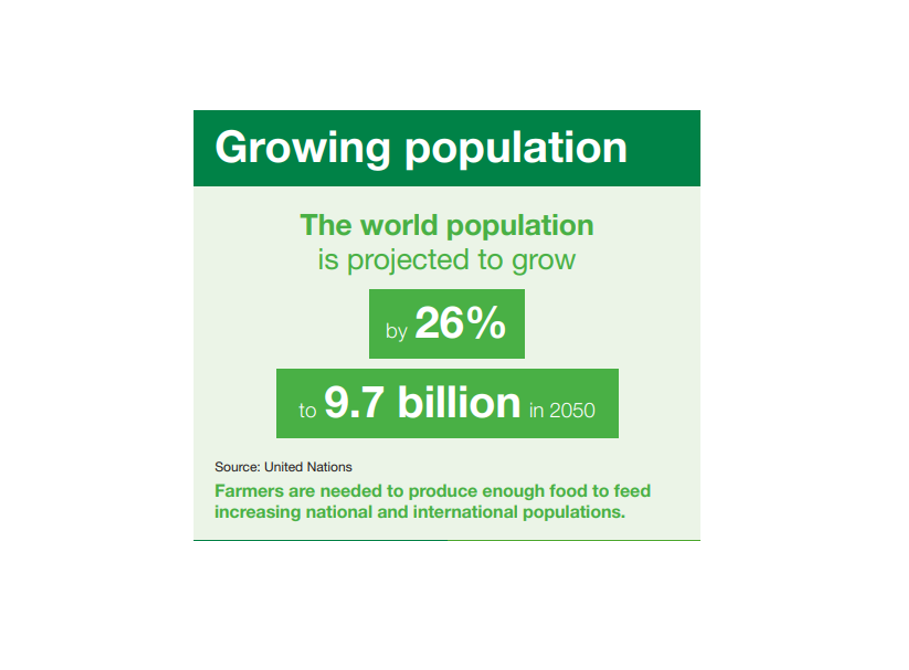
growing-population-2-UK.png

Growing Population

Farming is an international, science and engineering based industry that combines age-old techniques with new technologies to grow and rear the food we eat as well as providing energy sources.

With a growing population, we need to ensure we can produce enough healthy, affordable food in a more sustainable way, reducing the impact on the environment and leaving space for nature

And we need be able to talk about how.
growing-population-2-UK.png

What Do We Grow?

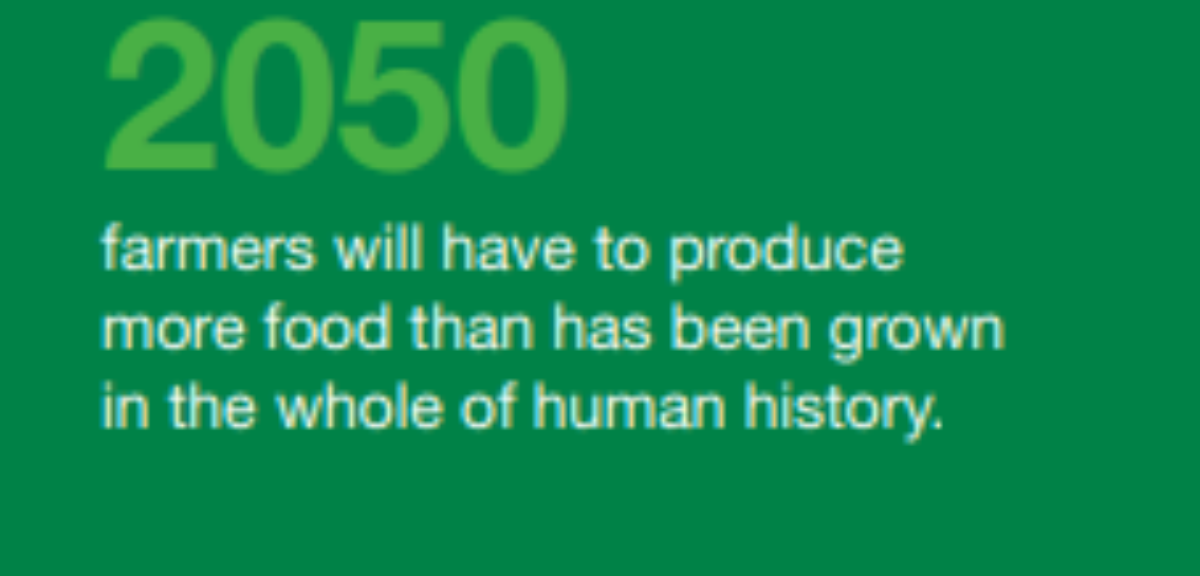
2050bjoe-UK.png


30reductionbjoe-UK.png


Crop Protection - Why do we spary

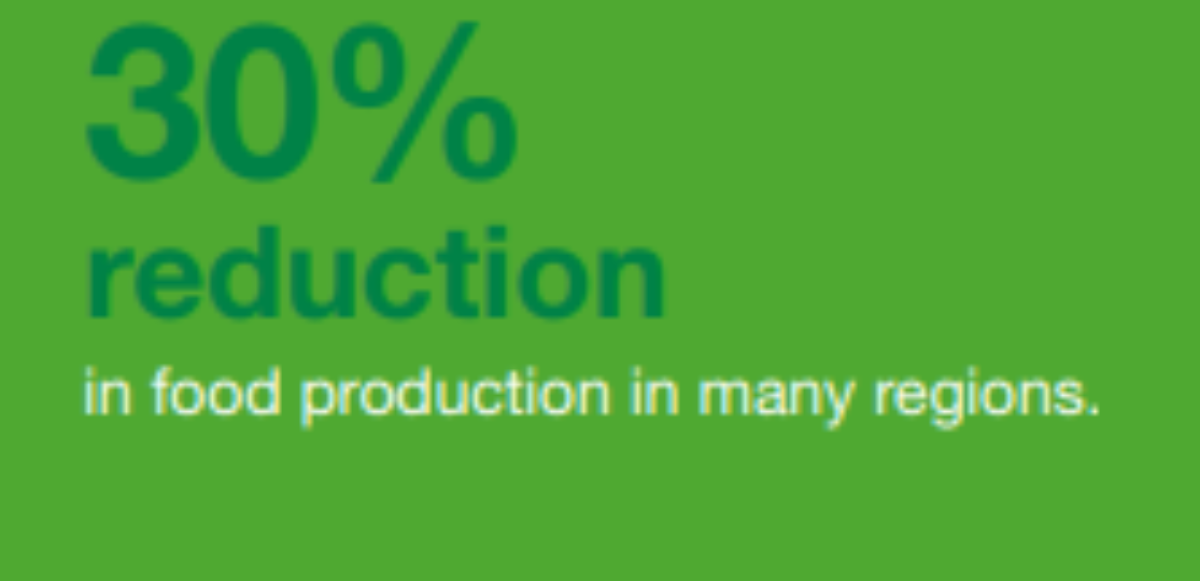
  • It is estimated that if modern crop protection products such as pesticides were not used in farming there would be a loss of between 20-40% of food produced.
  • Without pesticides, crops yields would be reduced and produce could be in short supply, increasing food prices.
  • Due to climate change, we are experiencing more extreme weather events, this can lead to new diseases and new pests impacting how we grow food.

What do we spray?

Herbicides are used to control weeds. Without this, weeds can outcompete crops and take vital resources,
such as nutrients, water, sunlight, and space,
thus reducing potential yields.

Fungicides are used to protect against diseases in crops. Disease can affect crops in different ways, like causing lesions on leaves
that means the plant is unable to photosynthesize efficiently.
This can reduce the amount of yield (or food) produced from the plant.

insecticides-bjoe-2-UK.png

Insecticides are used to control pests. Some pests can damage crops directly by feeding on the plant, such as slugs; while others can transmit viruses, like aphids.
It is vital that new insecticides are targeted to pests,
ensuring they are safe to beneficials such as bees and other pollinators

protecting-beneficials-bjoe-UK.png

Bees and other pollinators are vital for biodiversity and rural ecosystems. They are estimated to add £500million a year to UK agriculture
and are crucial for flowering crops such as oilseed rape and fruit trees.
It is in everyone’s interest to ensure they are protected.

power-of-pests-bjoe-UK.png

A Peach Potato Aphid can transmit 120 different viruses! If a seed crop of potatoes gets infected by an aphid with a particular virus,
its yield can be reduced by over 60%.
With the seeds now infected, the secondary crop (the crop that we would eat) could have a yield reduction of 87%, that’s a lot less chips!

are-pestcidies-safe-1-UK.png

Are pesticides safe?

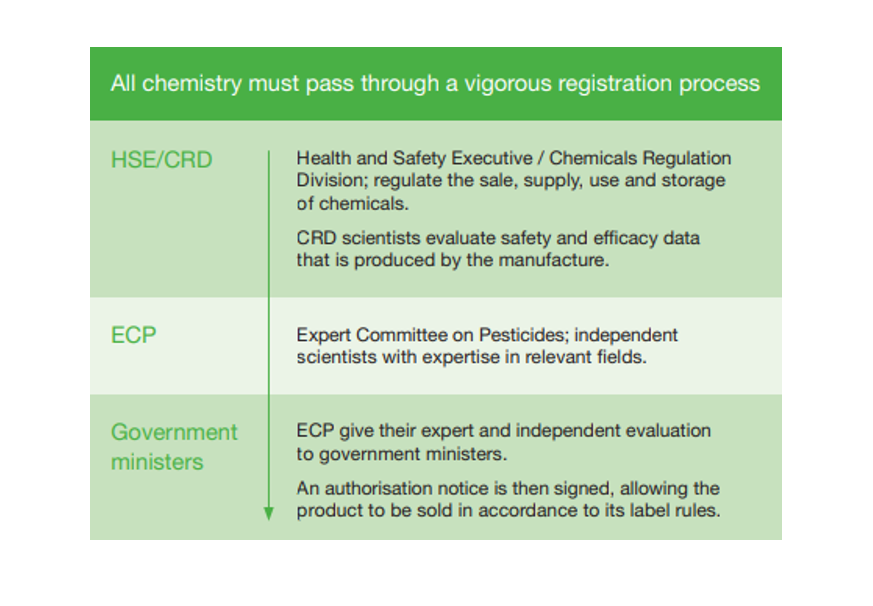
The use of chemical pesticides is strictly regulated. They go through a lengthy and robust registration process including numerous trials before being used for widespread crop protection. From the discovery of a substance in a lab, it can take 12 years and £150million until it is sold to users.

Spray operators must be qualified to use crop protection products and strict usage guidance is provided to ensure chemicals are used correctly and don’t end up in rivers and streams.

are-pestcidies-safe-1-UK.png