OSR Diaries: Adrian Joynt
Meet Adrian Joynt as he shares his journey trying to balance challenges from the weather, weeds, pests and diseases with growing a profitable OSR crop.
About Adrian
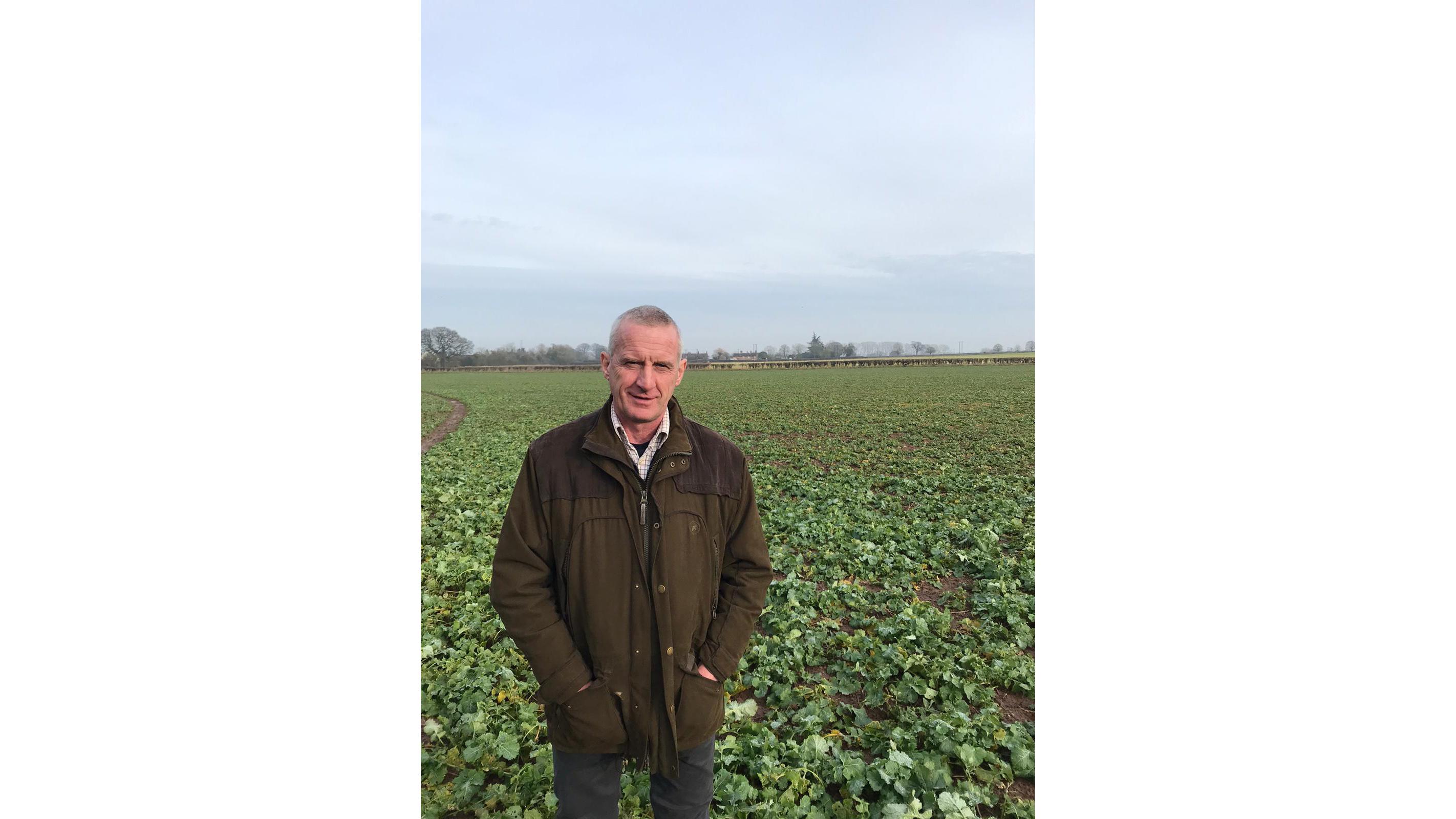
Adrian first took an interest in agriculture after spending time on his grandparents mixed farm. He went on to study at Harper Adams University and then into farm management.
Today he is a farm manager at the Apley Estate in Shropshire. He’s been at the beef and arable farm for 10 years during which, the acreage has expanded significantly.
Adrian is BASIS qualified and while he likes to keep things as simple as possible, he embraces proven technology.
Adrian is enthusiastic about trials and hosts at least one each year. He works with organisations such as ADAS, AHDB and crop protection manufacturers. Although trials can add to his workload, Adrian values insights into the new products and their performance on his farm, together with reassurance that his observations are correct from the statistical analysis of trials.
Today, Adrian manages over 2450 acres. He’s 500 head of beef cattle grazing permanent pasture, and approximately 1300 acres of combinable cropping.
The Apley Estate sits on predominantly medium soils, though there are areas with much lighter or heavier land.
Adrian favours min-till, but admits it’s been impossible with the wet autumns we’ve had in recent years.
Sterile brome in cereals, and charlock in OSR, are Adrian’s most troublesome weeds. Cabbage stem flea beetles and slugs, are his top pests and Septoria in wheat is the prevalent disease.
OSR has been in the farm’s rotation since the closure of the local sugar beet factory. For Adrian, it’s still the best paying break crop and expands the drilling and harvest windows, spreading workload.
He grows 4 varieties including Phoenix and Ambassador and on average expects his OSR crops to yield 4t/ha.
Wheat, potatoes, oilseed rape, beans, spring barley or winter triticale
About the farm
Cropping
Farming Philosophy
“Do what you did this year better next year.”
Adrian is an advocate of drilling by conditions not date. He has tried a number of approaches for establishing OSR, he currently spreads chicken muck before cultivating and drilling with his Discaerator and Horsch Pronto Drill.
A typical rotation is wheat > potatoes > wheat > rape. The heavier land tends to fall into a wheat > rape > wheat > beans while the second cereal on lighter land is usually spring barley or winter triticale rather than another wheat.
Establishment and cabbage stem flea beetles are Adrian’s biggest agronomic challenges when it comes to growing OSR.
Cultivation and drilling approach.
Rotation
Biggest agronomic challengesto growing OSR
This element above contains content from Youtube and transmits data to Youtube. You can block this in the privacy policy.
OSR Diary 1
This element above contains content from Youtube and transmits data to Youtube. You can block this in the privacy policy.
OSR Diary 2
This element above contains content from Youtube and transmits data to Youtube. You can block this in the privacy policy.
OSR Diary 3