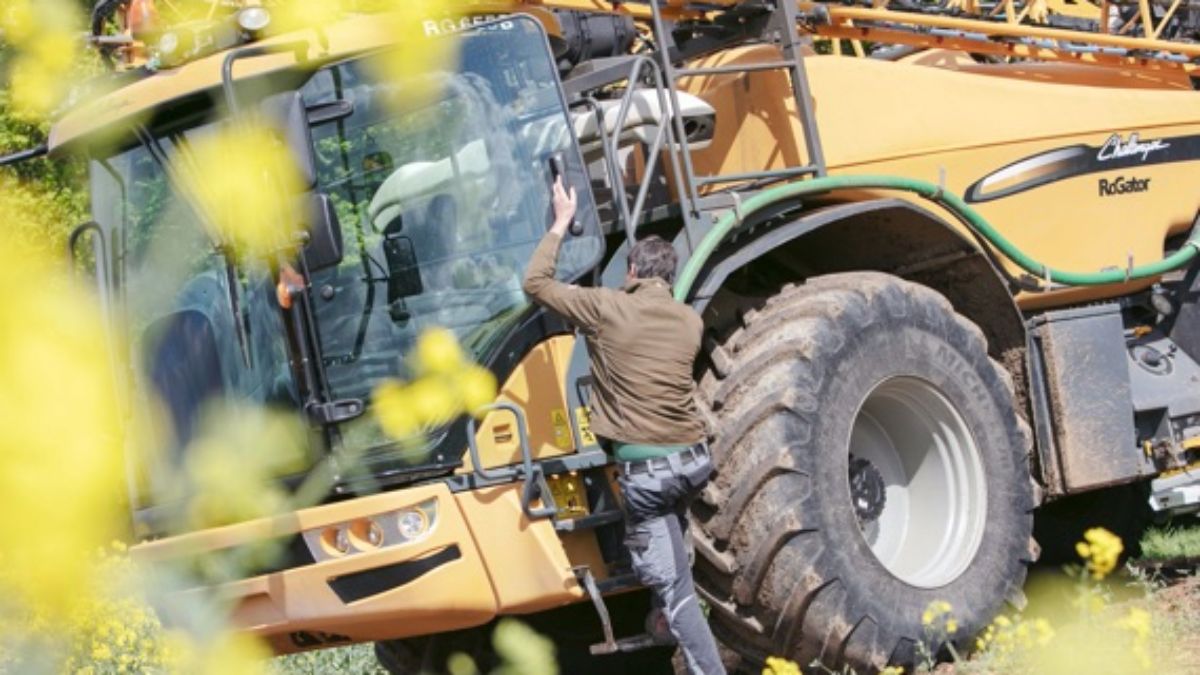
OSR Diaries: Steve Crayston
Meet Steve Crayston as he shares his journey trying to balance challenges from the weather, weeds, pests and diseases with growing a profitable OSR crop.
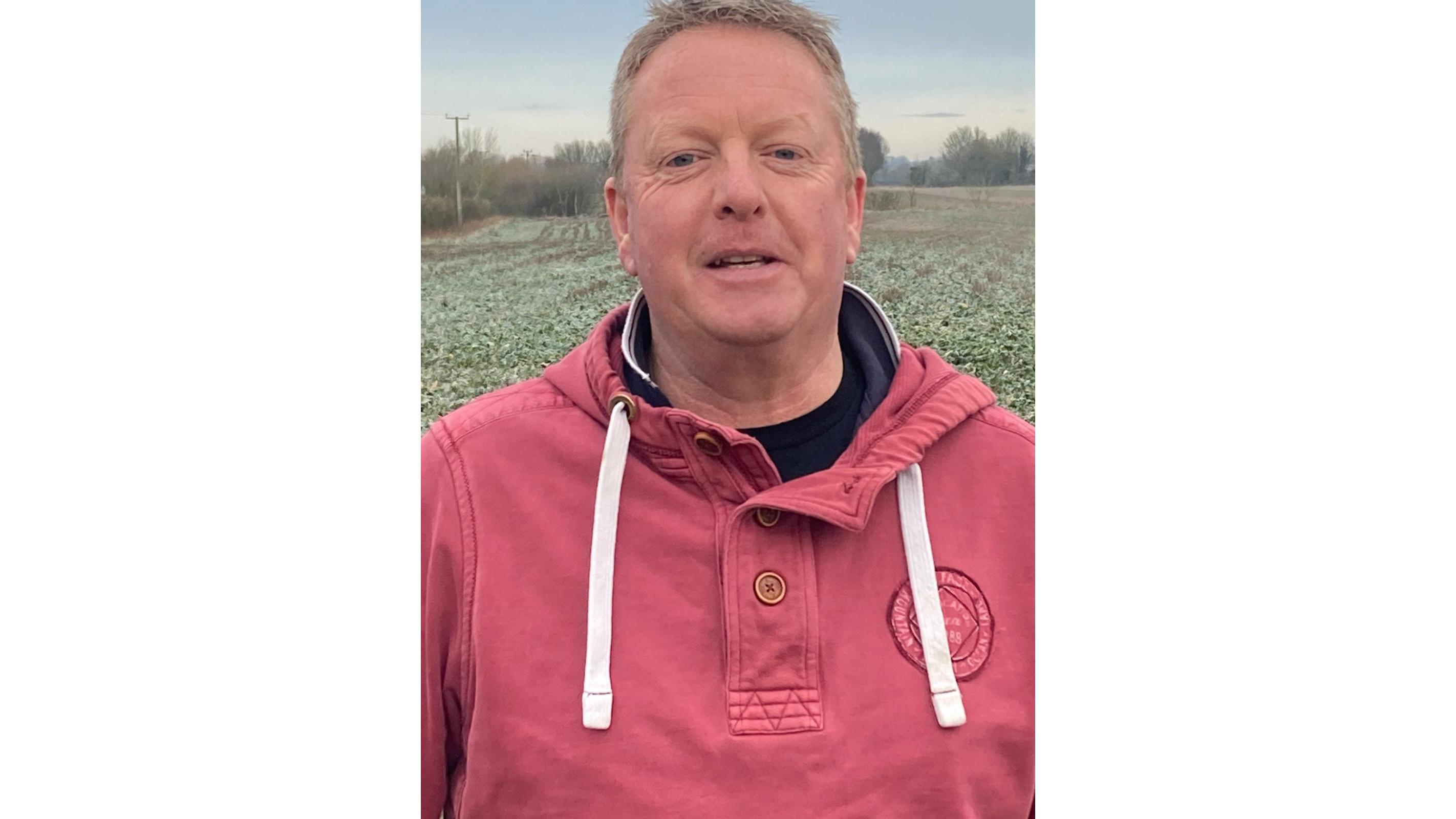
About Steve
Steve always knew he wanted to work in agriculture and joined the YTS scheme after leaving school. However, he found the work to be lonesome and forged a career in the automotive industry.
At the age of 30, his father and uncle who’d been running the family farm wanted to take a step back and invited Steve to return.
As well as 2800 acres of combinable crops, Steve lets a number of units, has a glamping site, a 20-acre fishing lake and is one of just three propagation businesses supplying blackcurrants to Ribena.
The idea of spreading risk through diversification extends to Steve’s rotation which includes 250 acres of specialist crops, borage and echium.
They are well suited to the farm’s varied soil types which can range from fairly heavy Essex clay running to sand, sometimes in the same field. Most of the farm, however, is medium to heavy clay.
When it comes to establishing crops, Steve favors a minimal approach.
Having recently purchased another farm on the other side of valley, blackgrass is Steve’s most troublesome weed. He is also seeing pockets of rye grass. For fungicides, Septoria is the main focus. Aphids have replaced cabbage stem flea beetles as his number one pest in the last two years.
OSR has featured on Steve’s farm for more than 30 years. It’s a good take-all break crop, he says.
Wheat, maize, spring barley, OSR, sugar beet, potatoes, spring oats, echium and borage
About the farm
Cropping
This element above contains content from Youtube and transmits data to Youtube. You can block this in the privacy policy.
OSR Diary 1
This element above contains content from Youtube and transmits data to Youtube. You can block this in the privacy policy.
OSR Diary 2
Farming Philosophy
Diversify the portfolio
Steve has a number of options for cultivations and drilling. He tries to disturb soils as a little as possible. 6 years ago he purchased a one-pass drill, which he describes as a “tremendous machine, in the right weather”. Last year he was caught out by the wet conditions, so this year, he has returned to more convention non-inversion tillage.
Flexibility underpins Steve’s rotations. The acreage is managed in two blocks. One is typically in a rotation of wheat > maize > wheat > maize > break crops. While the other is wheat > borage > wheat > spring barley > OSR > borage.
Once over the first hurdle of establishment, weed and disease control (namely light leaf spot and stem canker) are his biggest challenges.