Pushing Pulse Yields

We are on a mission to increase the national yields of field beans and combining peas.

Together with growers, industry experts and agronomists, we plan to uncover key aspects of high yielding, profitable pulse crops and to help further unlock some of their untapped yield potential.

Sharing why and how farmers grow peas and beans, best practice advice, and fresh insight, we aim to develop a new knowledge hub for those wanting to get the most from their pulse crops.

Pulse Check

Each month we’ll be checking in with pulse growers up and down the country to find out why they grow peas and beans, how they get he best from them and how their pulse crops are looking this season.

October 2022 Pulse Check

Iain Ford
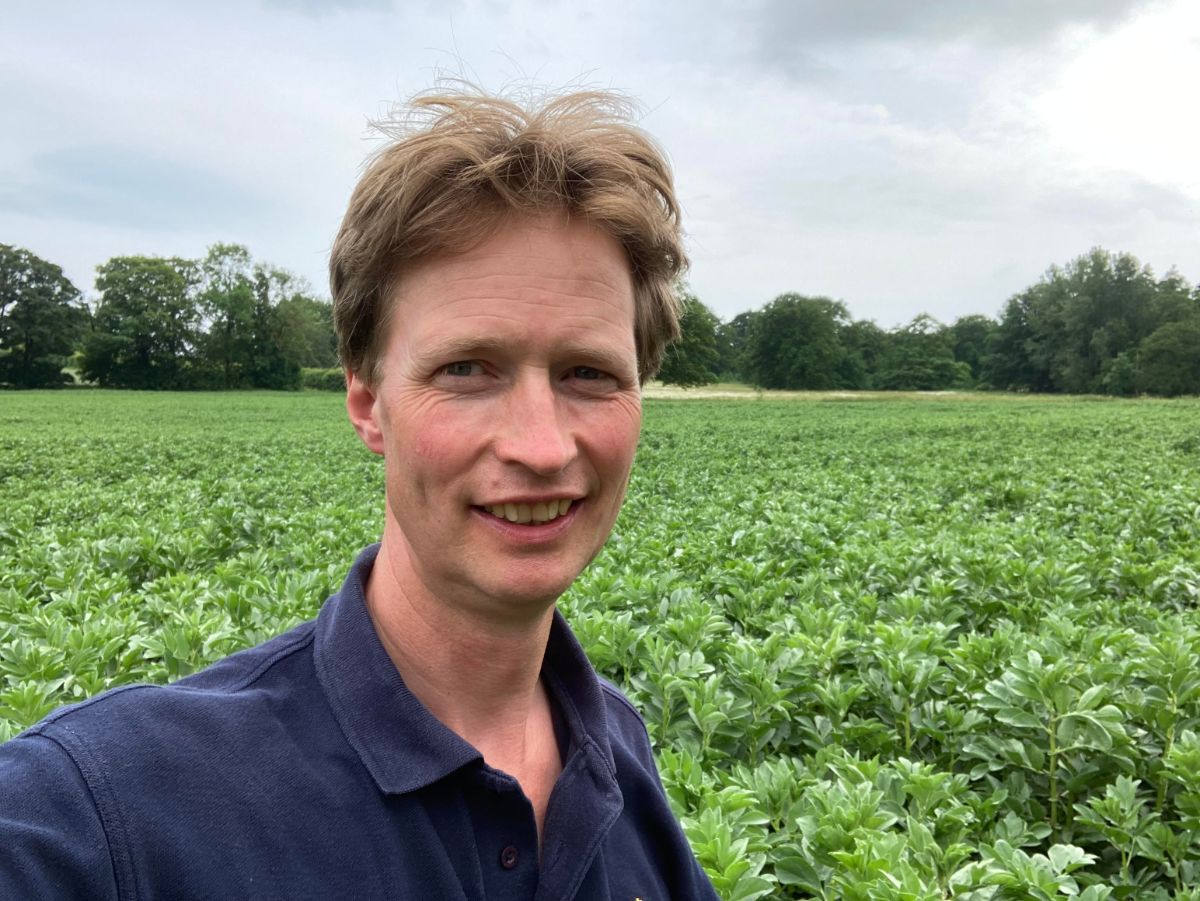
In this season’s final Pulse Check we speak with Iain Ford, Business Development Manager at BASF, and get his thoughts on the role of pulses, the Pulse YEN and getting winter bean crops off to a good start this autumn.
September-Pulse-Check-UK.jpg

September 2022 Pulse Check

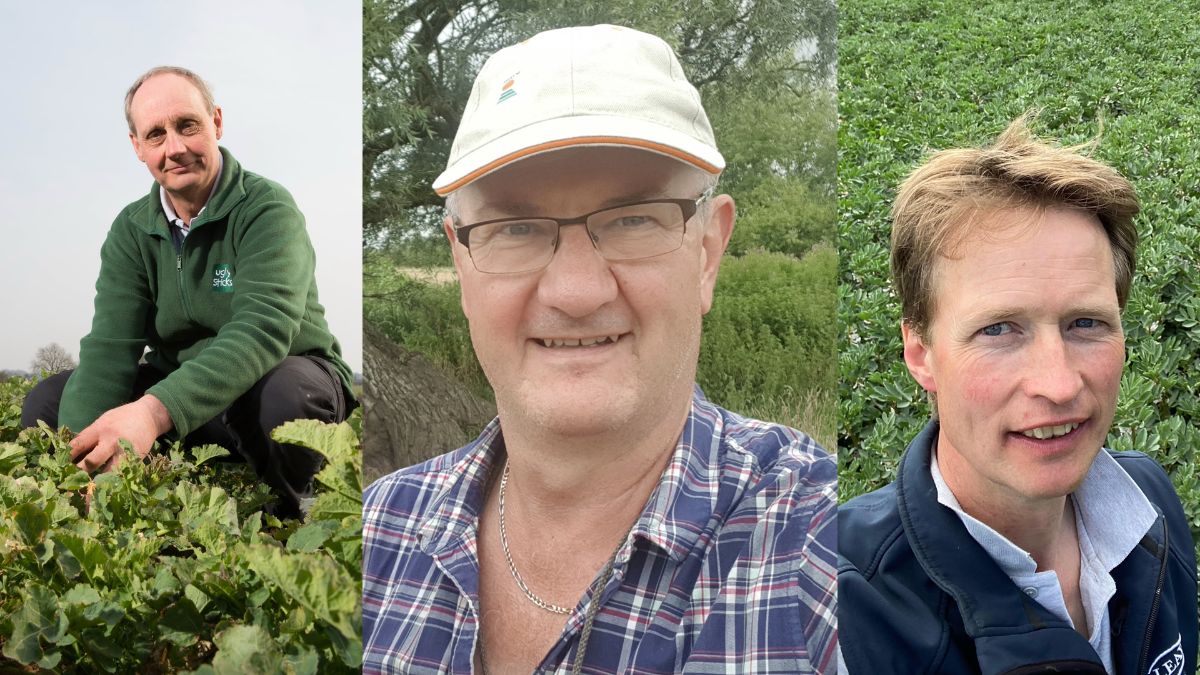
Chris Eglington, Guy Wakeham and James Loder-Symonds
Back in March Cambridgeshire grower, Guy Wakeham, told us he was testing two cultivation approaches to establishing his spring beans. In June’s issue, James Loder-Symonds explained he was exploring the effects of grazing and topping the cover crops that were sown ahead of his spring beans. With harvests under their belts, this month’s Pulse Check finds out how they, and the other growers we’ve featured, have got on.

James-LS-UK.jpg

June 2022 Pulse Check

James Loder-Symonds, Nonington Farms Ltd, Kent, Spring & Winter Beans
We last caught up with Kent grower, James Loder-Symonds, back in June 2021. Today's Pulse Check delves a little deeper into his reasons for growing beans, the role of nutrition and his thoughts on the Pulse YEN, as well as providing an update on this season's crops.

Pulse-Check-May-UK.jpg

May 2022 Pulse Check

John Charles-Jones, Nottingham, Spring Beans
Next in the Pulse Check series is John Charles-Jones, who farms 245ha on the northern side of Nottingham. The farm sits on steep slopes of silty clay loam. Spring beans are a financially valuable crop within John’s rotation. In the interview below we explore his approaches to rotations, drilling and crop protection.

Andrew-Pitts-Sheep-and-Stubble-Turnips-UK.jpeg

November 2021 Pulse Check

Andrew Pitts, Northamptonshire, Peas and Beans
Andrew Pitts farms with his brother, William, in Northamptonshire. The 2,100 acre holding is primarily devoted to seed crop production.
Beans and peas were re-introduced to the rotation when cabbage stem flea beetle pressure made growing OSR too risky. In hindsight, Andrew says these crops should have been introduced much earlier.

Beans-landscape-2-UK.jpg

September 2021 Pulse Check

Adam Williamson, South Norfolk, Winter & Spring Beans
Adam Williamson manages over 1,600ha in arable production at Thelveton Farms in South Norfolk.
The farm uses Beans as a good entry into first Wheat. The spring bean option enables us to plant on fields where we have a known grass weed pressure as the fields will be sprayed early spring with glyphosate prior to drilling.

July-Pulse-Check-Tony-Winter-Beans-UK.jpeg

July 2021 Pulse Check

Tony Nugent, Fethard, Winter Beans
Tony Nugent, agronomist and arable manager in Fethard, County Tipperary manages part of the Coolmore estate, an operation best known as world leaders in the bloodstock industry. Coolmore has bases in America and Australia, as well as in Ireland where they predominantly grow grass for the horses.
The company also has around 5,000 acres in cereal production.

James-Loder-Symonds-UK.jpg

June 2021 Pulse Check

James Loder-Symonds, Kent, Winter & spring beans
In this issue of ‘Pulse Check’ we speak with James Loder-Symonds, one of the directors of Nonington Farms Limited.
Traditionally the land was farmed on a high input / high output basis but today James is on the path towards regenerative agriculture. Profit per hectare is what is important, along with the sustainability of production systems.

May-Pulse-Check-UK.jpg

May 2021 Pulse Check

Roger Seed, Oxfordshire, Combining peas & spring beans
In the third of our series, we catch up with agronomist, farm business adviser and third generation farmer, Roger Seed.
We find out why they are thinking of switching from peas to spring beans, why they favour seed crop production, and how they get the best out of each crop.

May 2021 Pulse Check
Chris-Eglington-UK.jpg

April 2021 Pulse Check

Chris Eglington, Norfolk, Combining peas
In the second of our series, we catch up with pea grower, Chris Eglington and find out why peas are an essential crop within his rotation.
“You can’t consider the benefits of peas in isolation; on their own peas don’t produce the margins, but as part of the whole rotation, they improve the margins of all the other crops”

BASF_Bean_Growth_Guide-UK.jpg

Welcome to the ultimate guide to growing field beans! As the demand for plant-based protein increases, the area of field beans has been steadily growing. Not only are they a profitable crop, but they also provide numerous benefits to the following crop and offer an opportunity for grass weed control.

In this comprehensive guide, we will cover everything you need to know to successfully grow field beans, from establishment to harvest.

Pulses-UK.jpg

The results of our second BASF Pulse Check Survey are now in and thank you to those who participated.

The aim was to find out what barriers growers are facing to achieving higher yields and what agronomic factors seem to have the strongest association with higher yielding crops.

BASFPulsesSocial_V3-UK.jpg

Thank you all those who took part in our 2021 pulses survey. 145 growers shared their views on why and how they grow pulses. Click below to see the results and look out for upcoming deep dives into the findings.

PGRO’s top tips on getting the most out of pulse crops

Earlier this season, we were delighted to be joined by Dr Becky Howard and Dr Lea Herold in a series of a webinars on how to get the most out of field beans and combining peas. The webinar recordings can be found below, along with a written synopsis of the key points.

Chocolate-spot_Lea-PGRO-UK.png

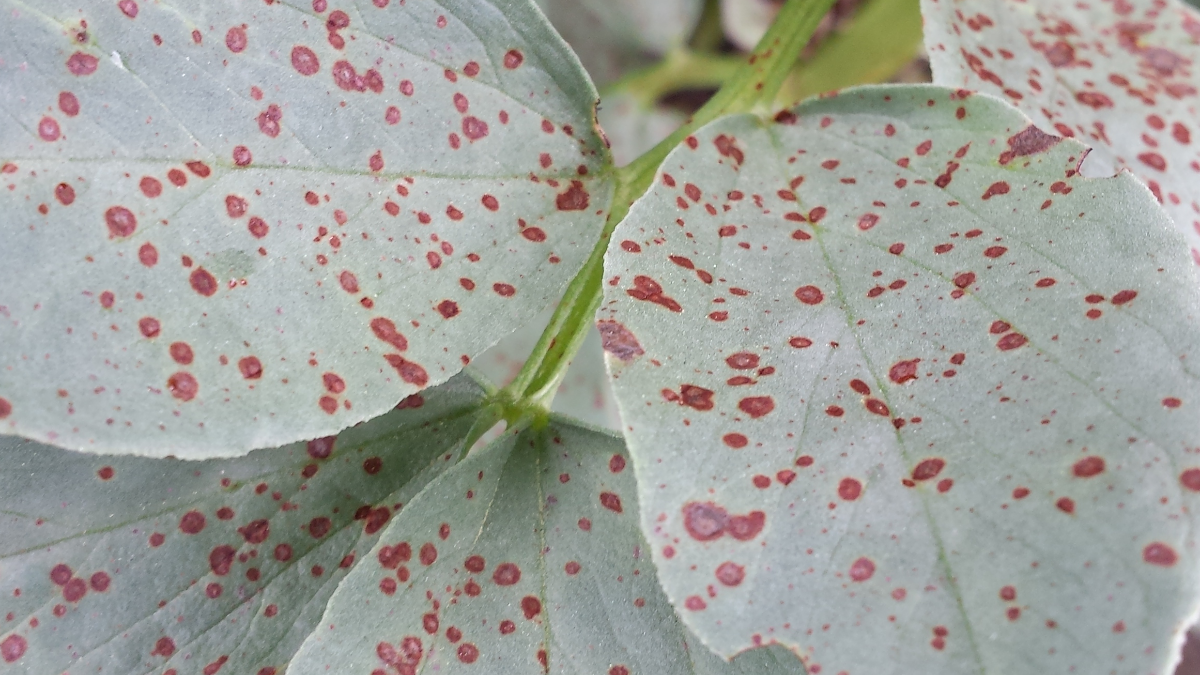
Despite the loss of chlorothalonil (CTL), growers still have effective options for controlling chocolate spot, one of two dominant diseases in beans. Capable of completely defoliating crops and causing yield losses of 50% or more, it is a potentially margin-sapping disease. Follow the link below to read the full article on Farmers Guardian.

Pulses News

Explore the latest Pulses Real Results news & updates here

paul-goddard-UK.png

New partnership formed to help water stewardship

10.05.2021

Combining-peas-UK.jpg

PGRO’s top tips for getting the most from combining peas

17.03.2021

paul-goddard-UK.png

Herbicide faces de-regulation if growers don’t start acting

24.02.2021

Becky-Howard-PGRO-UK.jpg

How to reduce variability in winter bean crops

29.09.2020

Signum-UK.jpg

Signum® is our well proven fungicide for pulses, controlling all the major diseases in peas and beans and providing the best return on investment compared to alternatives.

Spring-beans-UK.jpg

Nirvana® is the market leading pre-emergence herbicide for peas and beans, protecting against the widest range of weeds during the critical crop establishment phase.

Bean-YEN-UK.jpg

We are proud sponsors of the Pea & Bean YENS, benchmarking initiatives coordinated by ADAS and PGRO that are striving to close the gap between potential and current pea and bean yields.

PGRO-169-UK.jpg

Have you seen PGRO’s new website? A fantastic resource for all those interested in the UK pulse crop.