
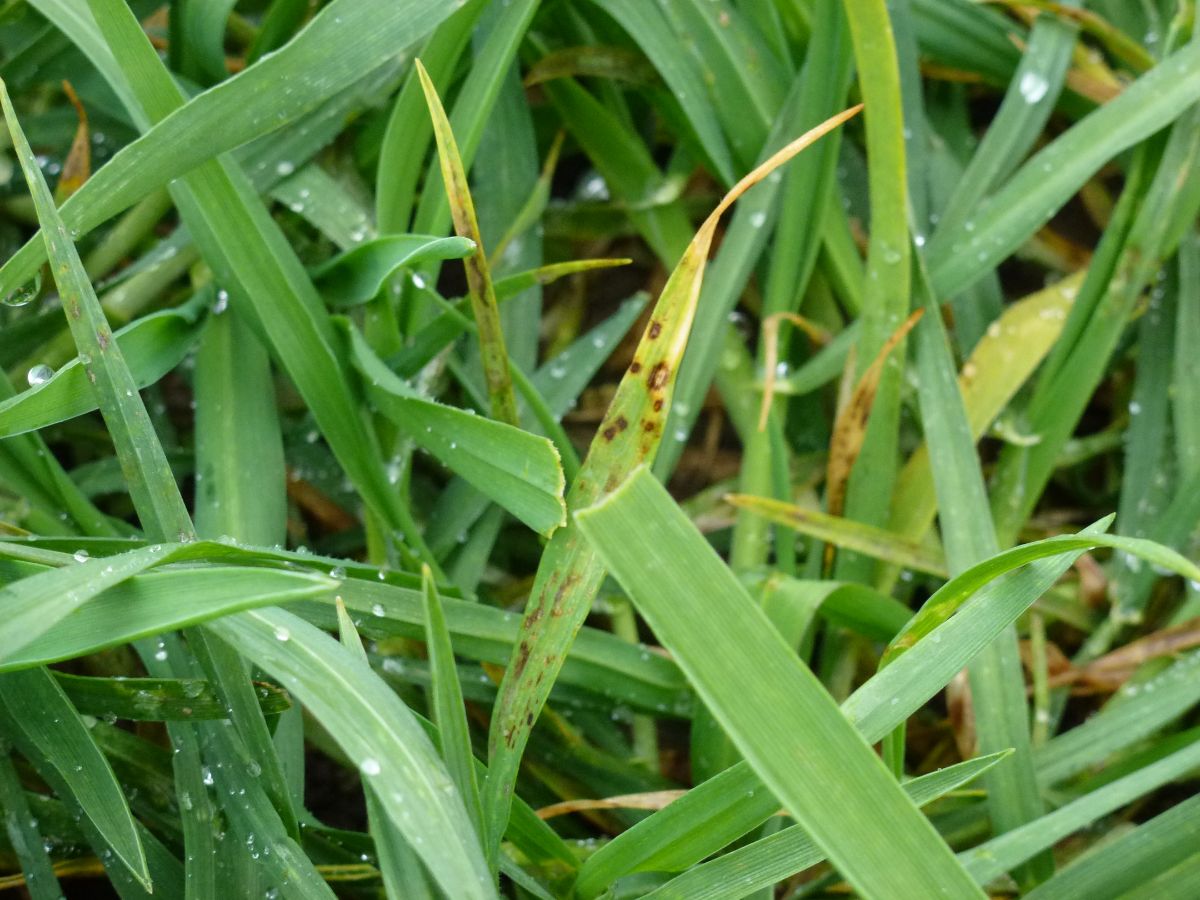
Ramularia in barley
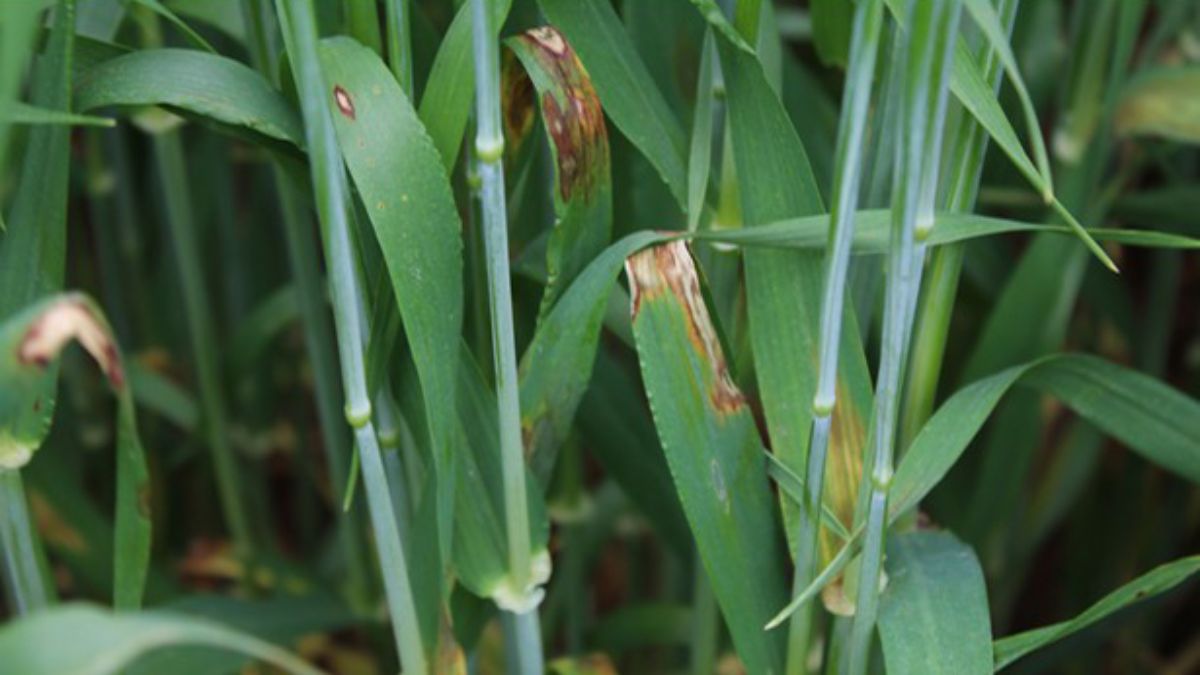
Infected seed was once classed as the most important source of Net blotch. However the thrashborne phase is now the primary source of net blotch i.e infected stubbles and volunteer barley.
Primary infection is a result from conidia and ascospores developed within crop debris. Wind and water splash helps in spreading infection.
Net blotch infection develops during periods of high humidity and temperatures in the range of 10-25oC. Drier, warmer weather helps to inhibit infection.
The following list all heighten the risk of net blotch considerably:
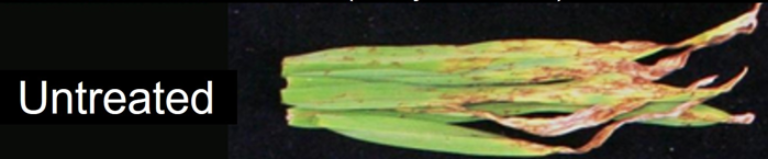

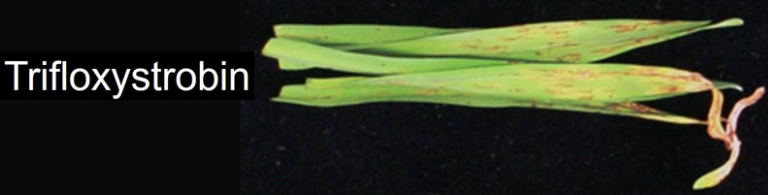
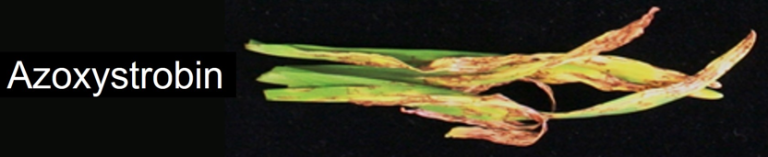
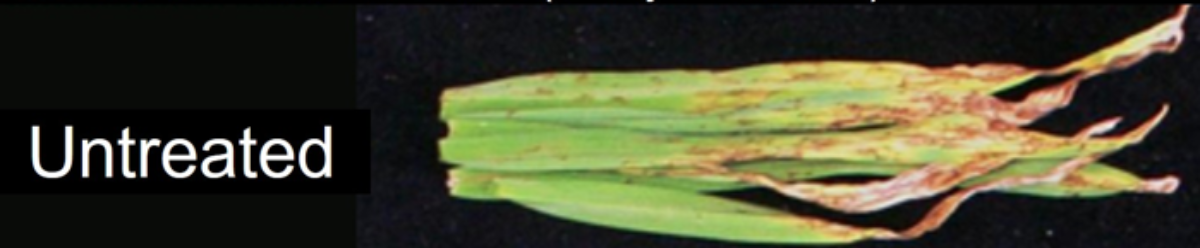
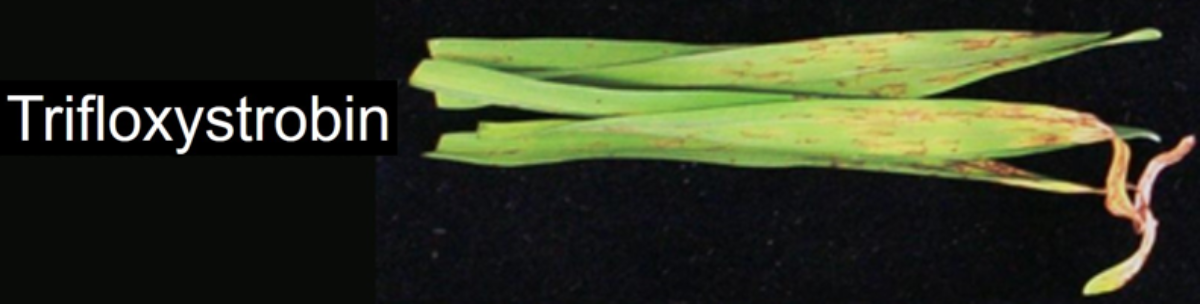
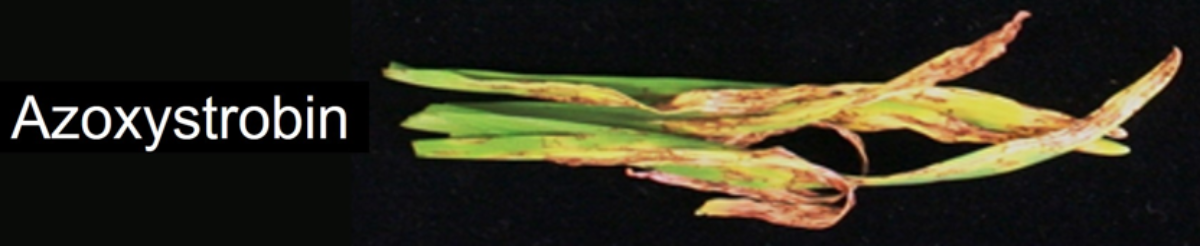
Trial illustrated the level of control that can be achieved on F129L in a glasshouse situation by QoI (strobs).
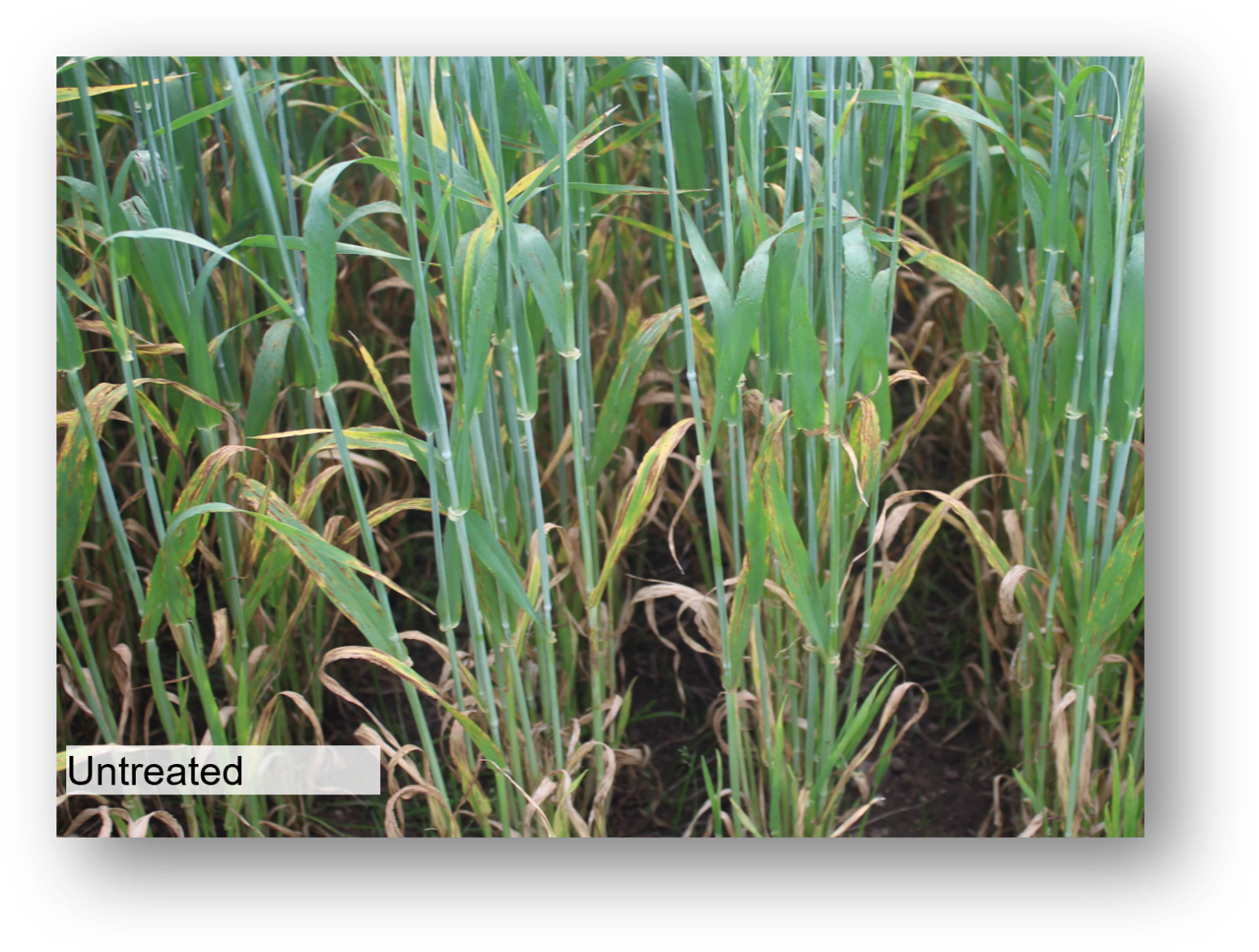
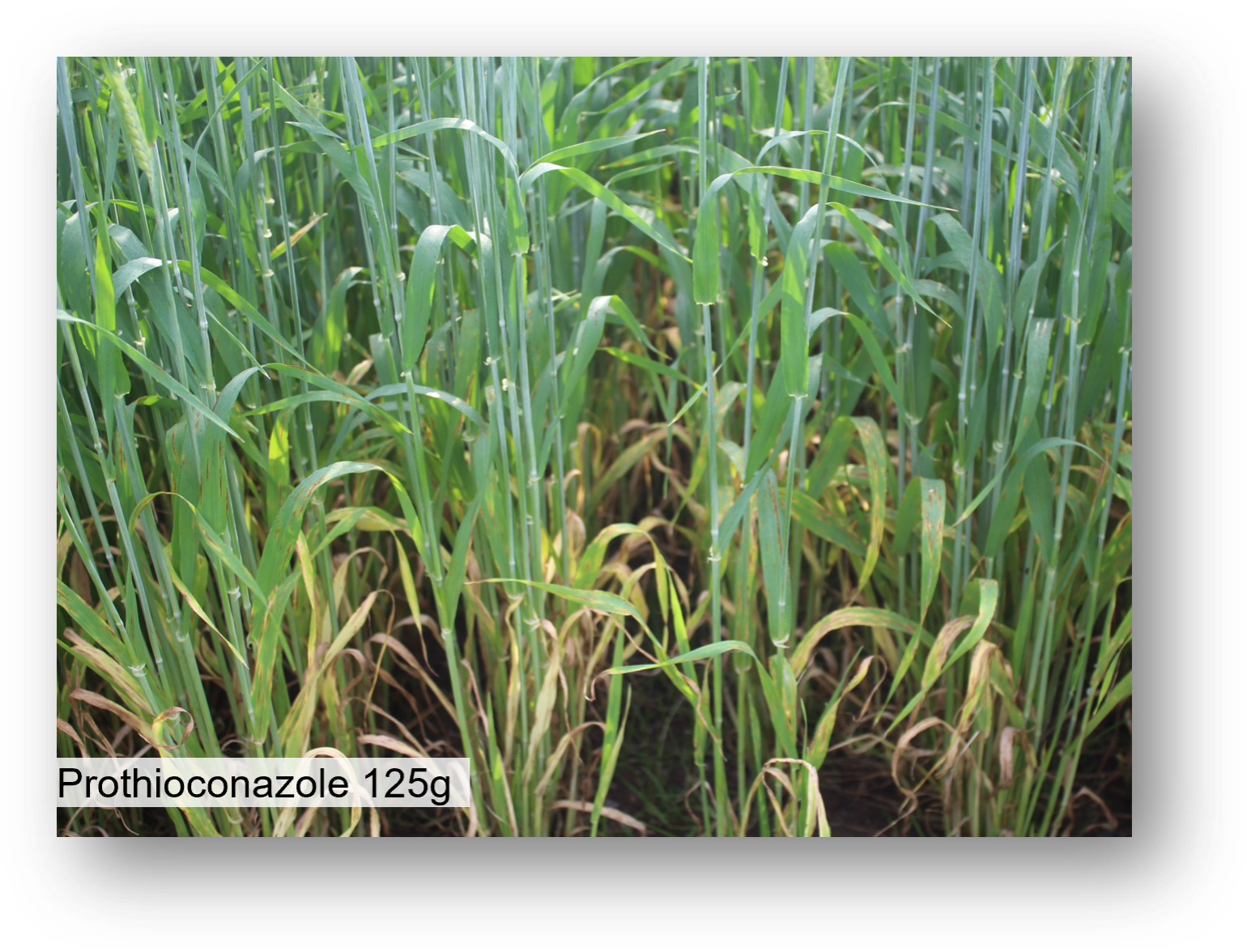
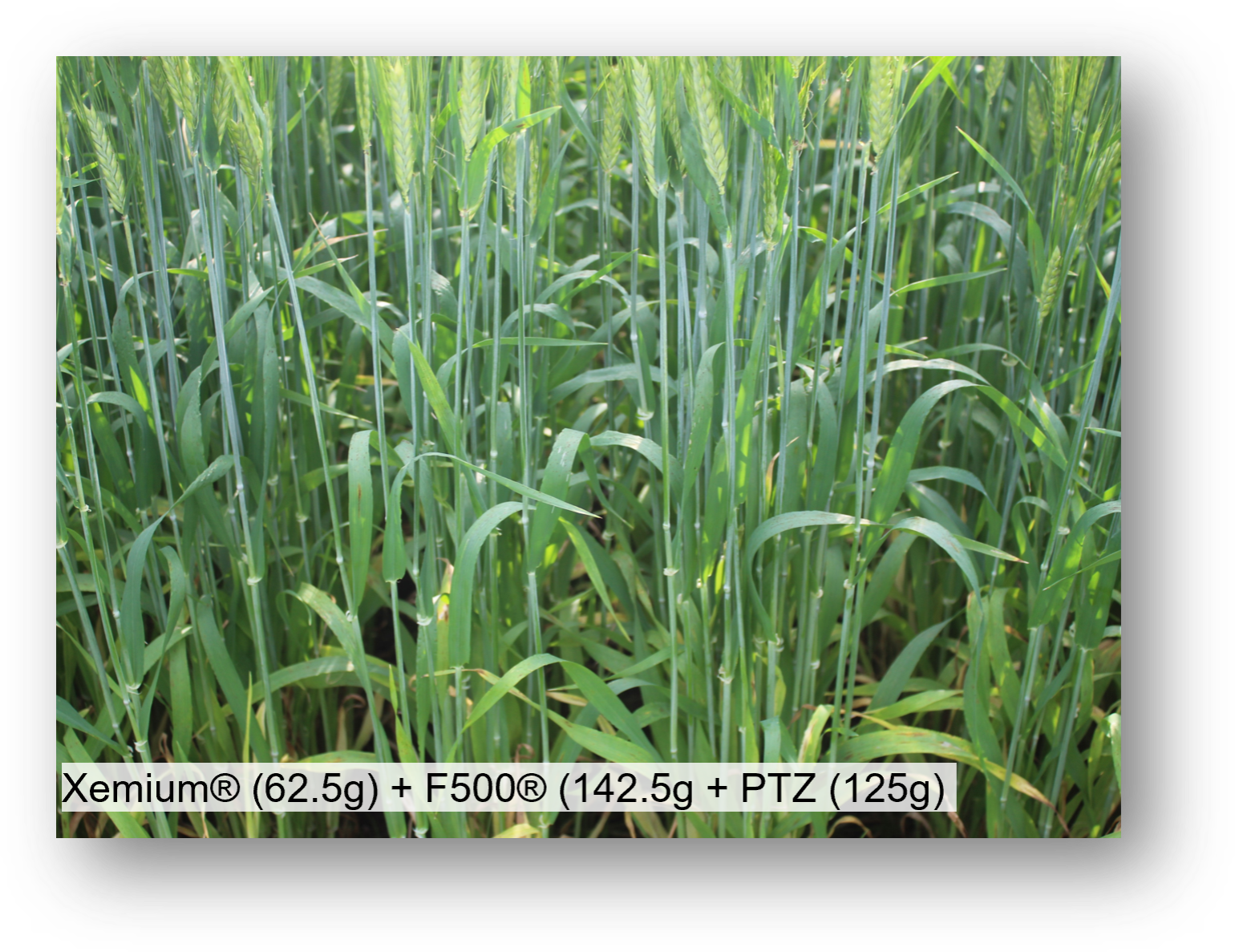
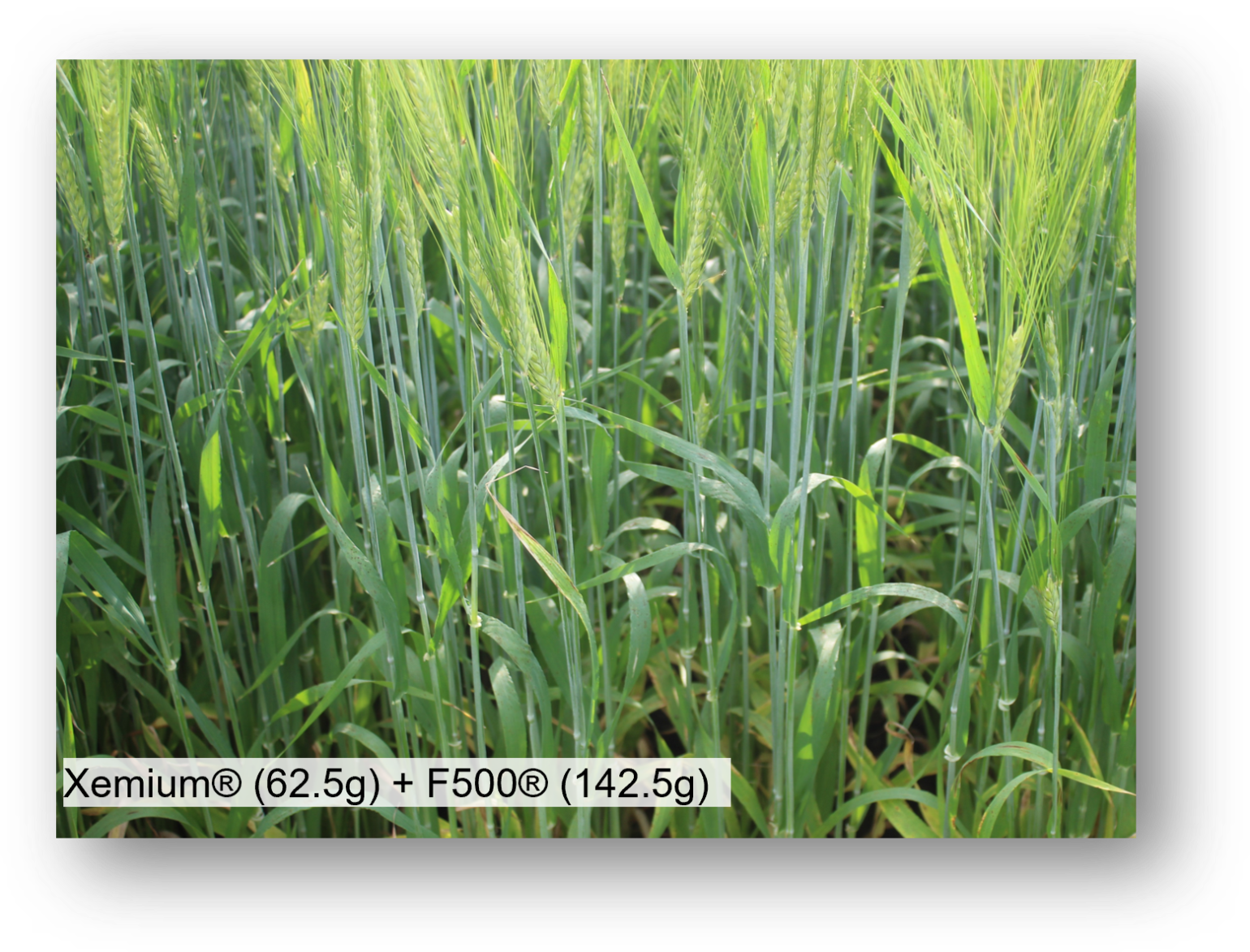
Xemium® (fluxapyroxad) + F500 (pyraclostrobin) deliver unrivalled Net blotch control in high pressure situations, outperforming leading Prothioconazole/SDHI offers.
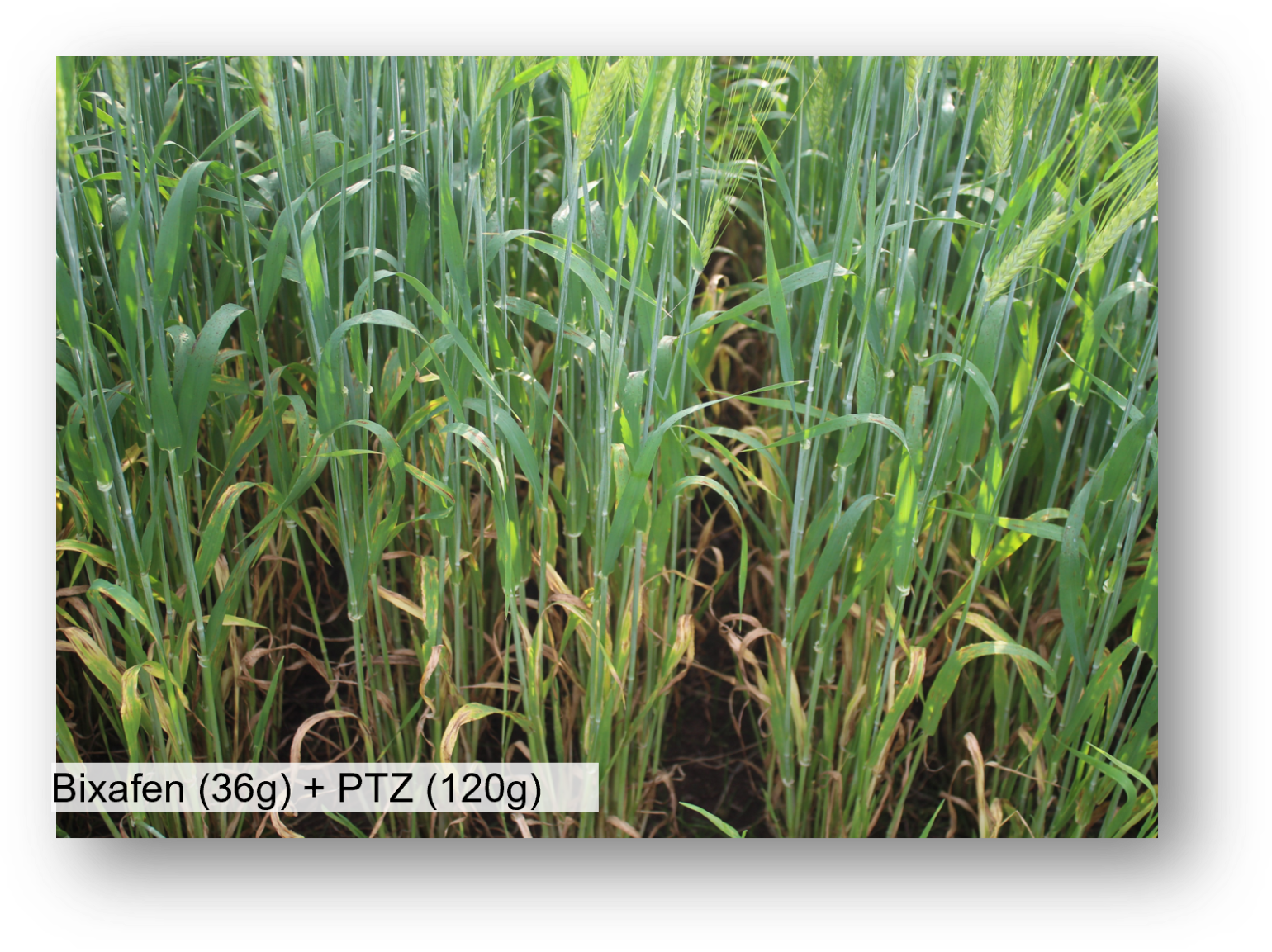
Variety: RGT Planet (spring barley) Carlow, Ireland 2023T1 Application only; June 3rd GS37 (No T2) *Extremely high net blotch pressure*