Review Your Strategy
How good was your weed control strategy?
As crops approach harvest, now is the time to review the success of weed control tactics utilised in 2012/13. The legacy of the last two seasons has made the control of black-grass particularly challenging.
2011/12 – a very challenging year
- High black-grass dormancy – Limited opportunity to benefit from use of stale seedbeds, black-grass germinated after pre-emergence herbicides were applied.
- Soil moisture deficit – Lack of soil moisture impacted the activation of pre-emergence herbicides
- Increasing herbicide resistance – Post-emergence herbicides could not compensate for the lack of pre-emergence herbicide applications
- Wettest April on record – Caused black-grass to produce more fertile tillers than usual leading to a lot of black-grass heads in June.
2012/13 – an even tougher year for black-grass and weed control generally
- High black-grass dormancy – Limited opportunity to benefit from use of stale seedbeds, a lot of black-grass germinated after pre-emergence herbicides were applied (if applied at all!)
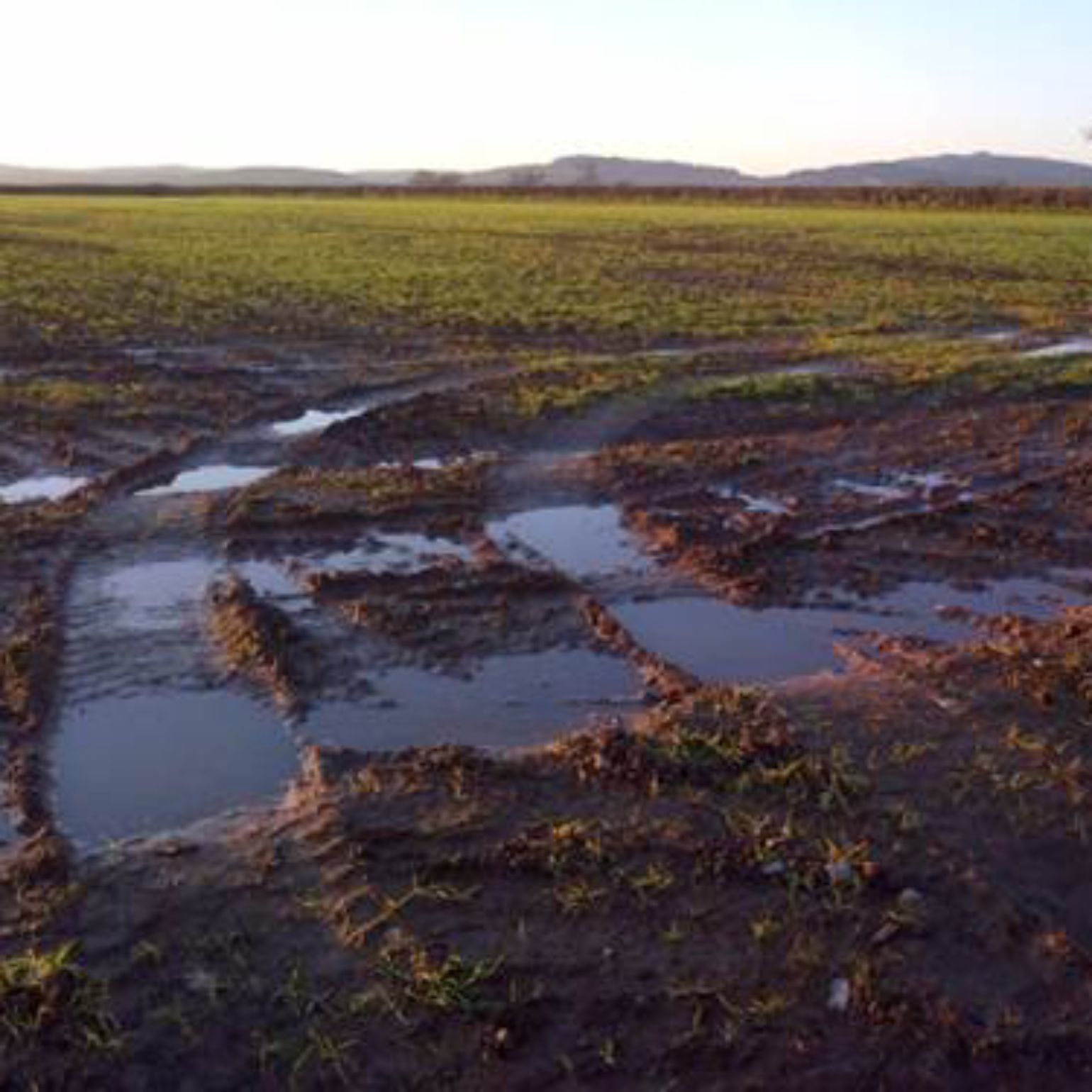
- Wettest autumn on record – 61% decline in autumn herbicide applications
- Spring germination – Unusual weather patterns in April broke black-grass dormancy putting even more pressure on high risk post-emergence herbicides.
- Increasing resistance – Post-emergence herbicides could not compensate for the lack of pre-emergence applications.
Where weed control is poor, now is time to review your weed control strategy and establish the cause. It is also important to understand elements of weed control that worked well. There should be zero tolerance of all the major grass-weeds in winter cereals except annual meadow-grass. If you find them they are robbing yield.
Map the problem weed
Before an appropriate management strategy for next year is put together you should have a thorough understanding of the weed problem in your field. The infested areas should be mapped. The BASF Weed ID app is an excellent opportunity for accurate mapping of problem weeds, such as black-grass. This is particularly important where you think resistance maybe a problem.
The Weed ID app utilises a GPS function which allows you to name and record the location and size of a weed patch while in the field. This is a tool that you can start using now for all weeds visible above the crop. If you do not know what type of weed you have start by using the Weed ID function. With this you will be able to photograph the weed in situ, select key characteristics of the weed and then compare the image to weeds that match your selected criteria. In many cases there will be multiple weeds that match your criteria so remember to scroll left or right to see all of the matches.
Once you have identified your weed, you can map its location by selecting ‘mapmyweed’ at the bottom of the screen.
Particularly with weeds such as black-grass, this tool is easy to use and ensures accuracy in patch recording – a valuable addition to future black-grass management strategies.
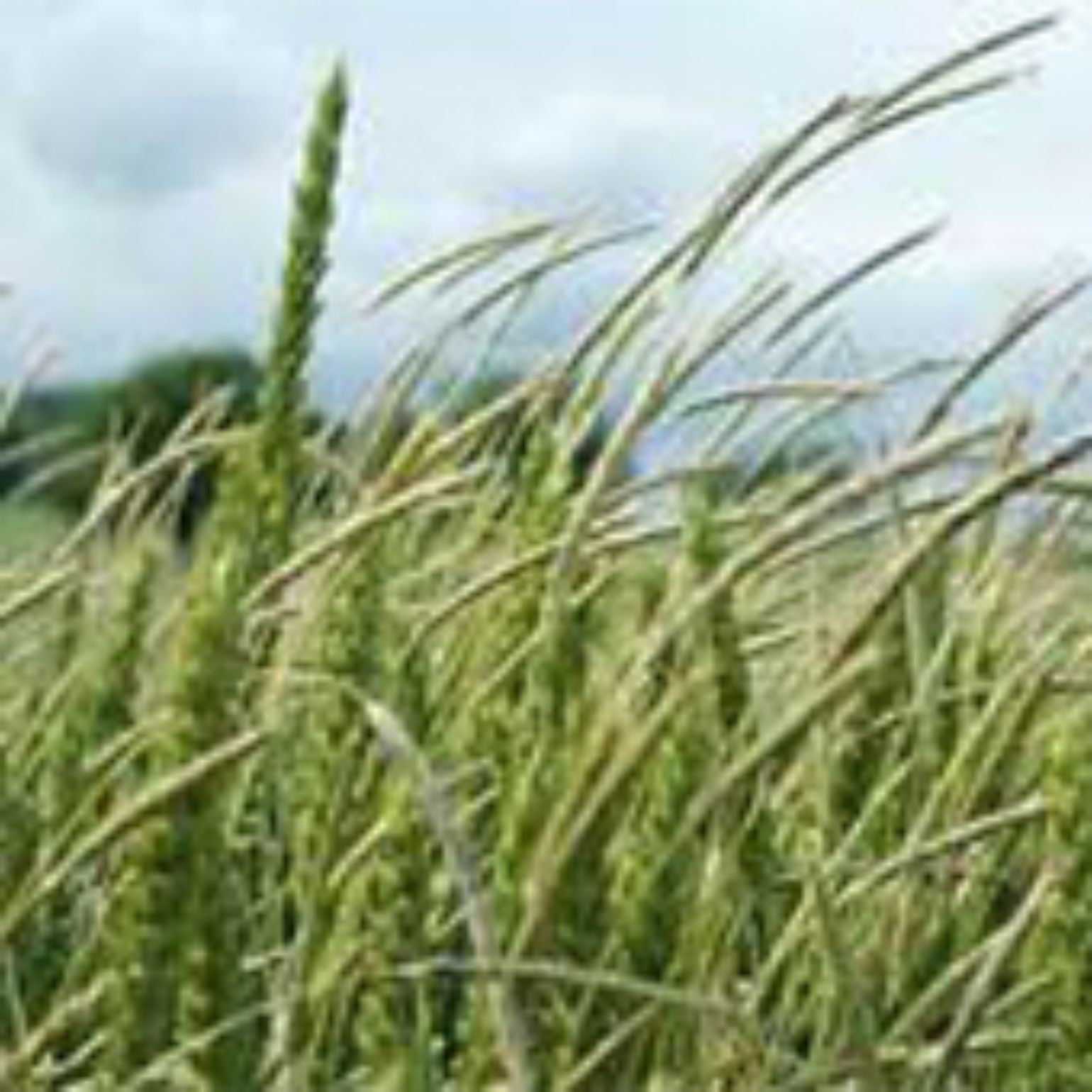
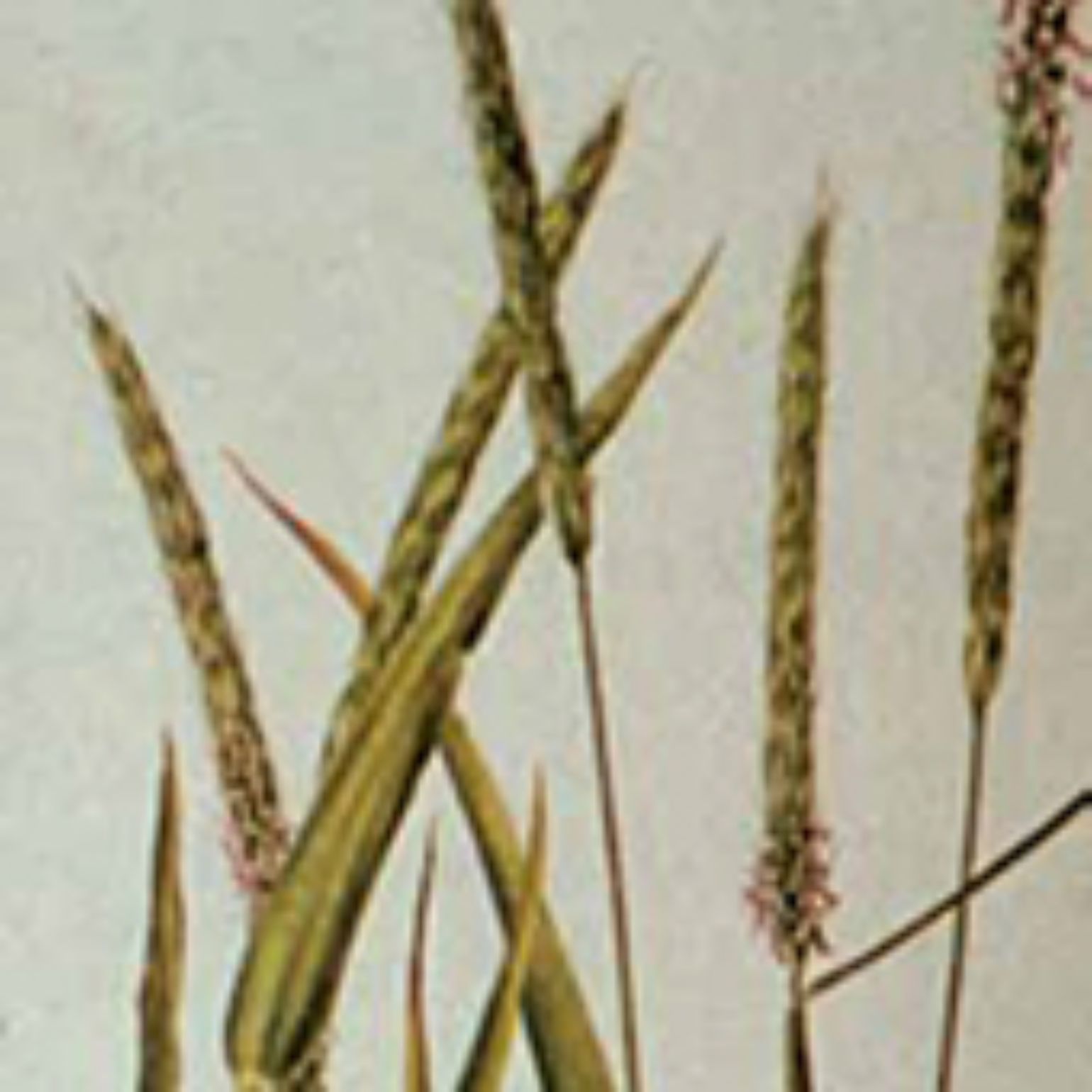
Spray off or mow out black-grass patches
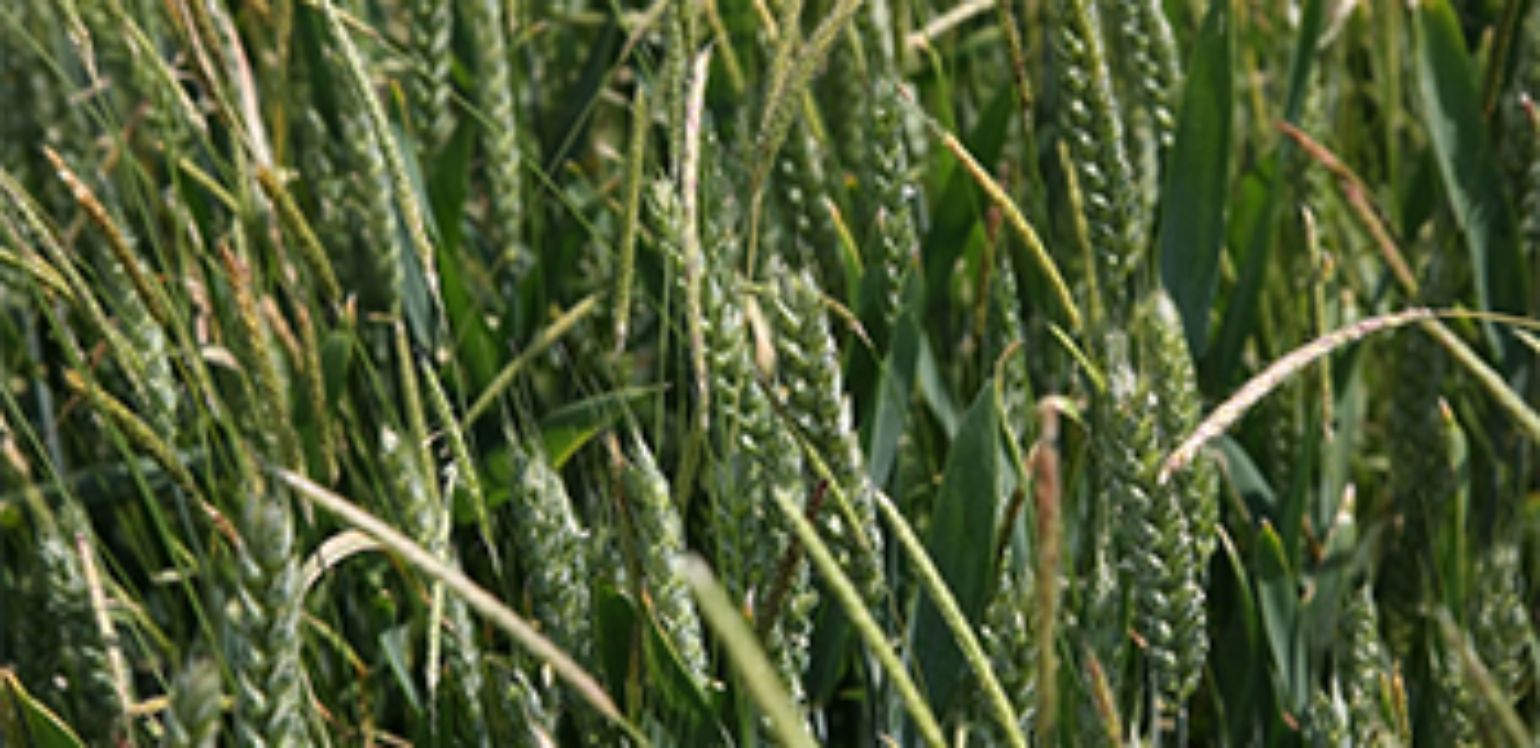
If the patches are large, consider spraying out with glyphosate or mowing to destroy plants before flower and seeds are shed. Smaller patches and single plants can be sprayed off or removed by hand (again this must be done prior to seed shed – a single black-grass plant can produce up to 2000 seeds in a competitive wheat crop).