2. Navigating the options
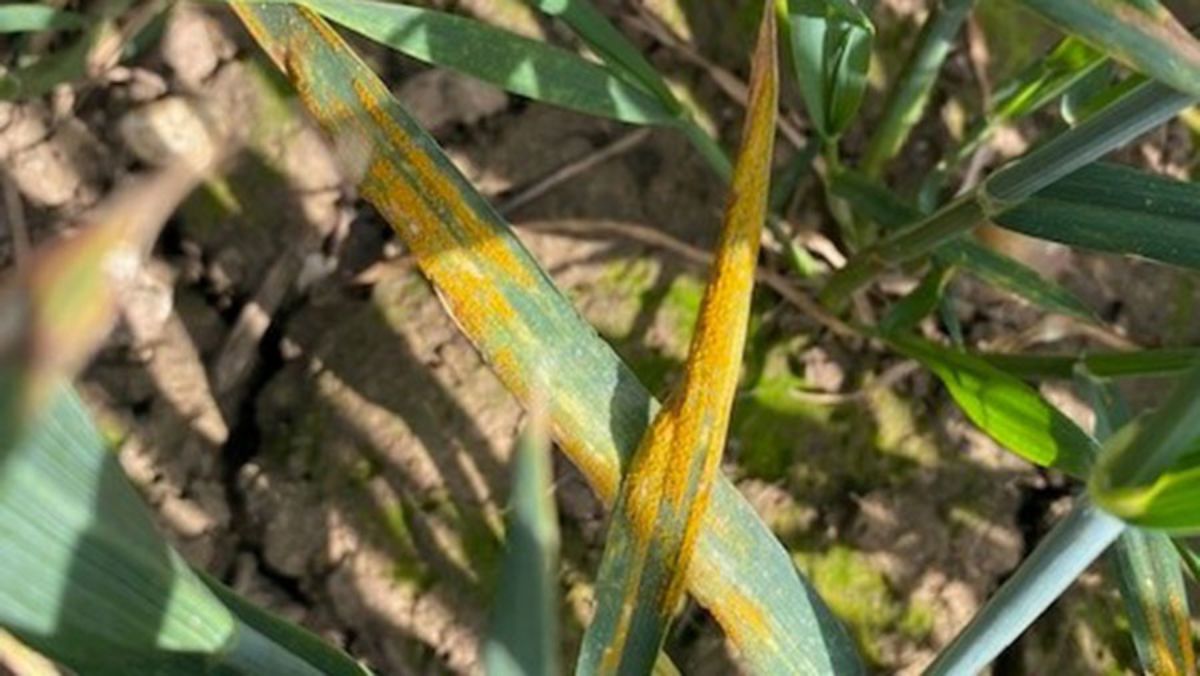
Despite the risk of rust, current conditions also favour septoria development and if wet conditions persist, eyespot is also a potential threat.
“There’s an almost bewildering level of choice out there in terms of the number of fungicide brands available” advises Steve Dennis, head of business and technical development at BASF.
“But when we look at what we’re trying to do in terms of achieving good septoria control, there’s only three modes of action that are relevant. We’ve got the QiIs, the SDHIs, and the azoles, and the important thing is to employ all those modes of action as you’re trying to achieve a sustainable level of performance.
“Within the azole group, we now only have one active ingredient that’s really giving us significant control of septoria, which is Revysol.”
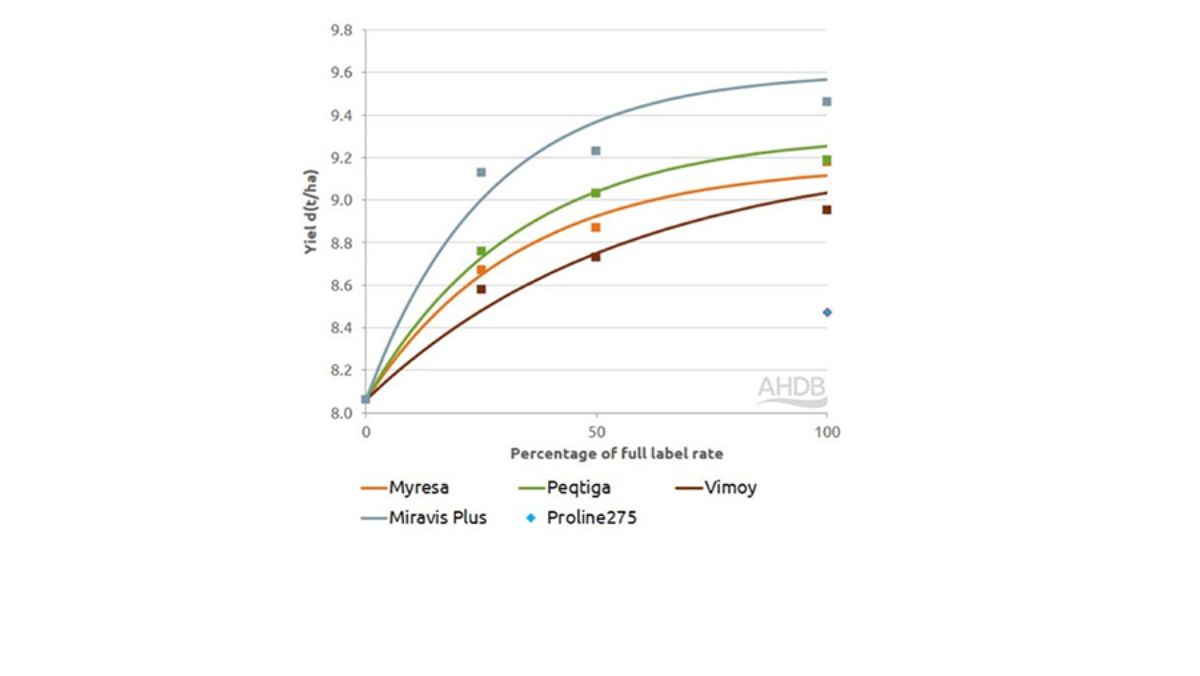
Revysol® is also performing strongly against new actives like Iblon.
Across 12 septoria trials between 2023 and 2025 in the AHDB data, Revysol® (Myresa®) delivered a 0.2t/ha yield uplift compared to Iblon® (Vimoy®), at 50% full rate of each.
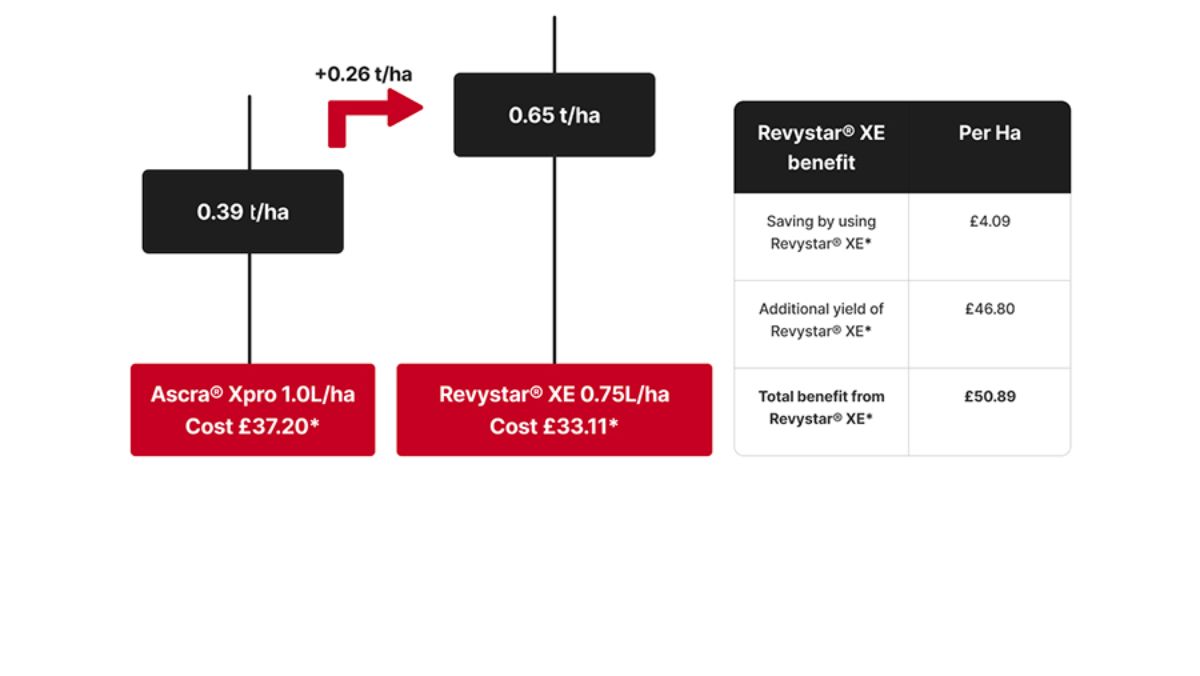
Jared adds that at T1 growers need to cover all the bases, especially if current conditions persist, adding that “Revystar XE meets this brief because of its consistent strength against septoria and rusts, as well as eyespot activity, as seen in trials by Nottingham University.”
“Perhaps most notably, opting for Revystar at T1 keeps your options open for T2,” advises Jared.
“Given that Inatreq and Iblon can each only be used once within a programme, coupled with the current geopolitical uncertainty around market dynamics, and of course not knowing how the season will unfold, a robust and cost-effective T1 of Revystar XE enables a number of options to be considered at T2.”