The lettuce you ate this summer is not the same as the one you ate this spring
The lettuce you ate this summer is not the same as the one you ate this spring
It may look and taste the same but the iceberg, romaine or little gem picked from the shelf in spring, is very different to the one you’ll pick up tomorrow.
Shorter days, cooler temperatures and a shifting mix of pests and pathogens make spring and autumn fundamentally different growing environments from the height of summer. For a lettuce, those shifts carry real consequences: the genetics that produce a tight, uniform head in cool, short-day conditions are not the same as those that resist bolting through a hot July.
“All cultivated lettuce varieties have nine pairs of chromosomes. The differences between varieties are at the gene level and expressed in the DNA sequences,” explains Matt Kettlewell, BASF Nunhems, Seed Specialist.
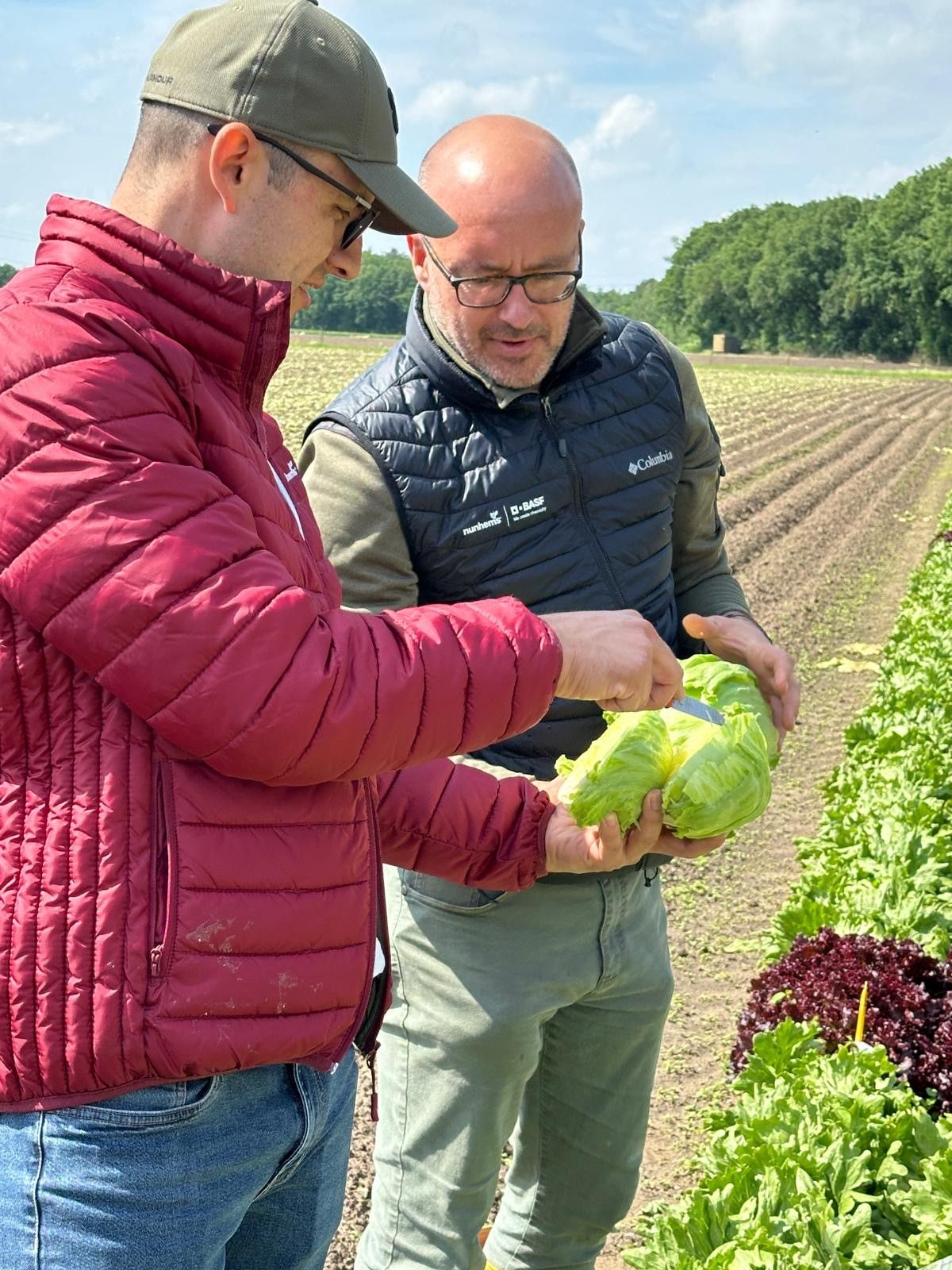
Retail space is changing
At any one time, BASF | Nunhems has dozens of varieties, spread across multiple categories – iceberg, romaine, little gem, multileaf and butterhead. Each one is suited to different growing conditions and end-markets.
“Aside from the seasonal variation, lettuce genetics also must keep pace with consumer trends, a changing climate and the constant evolution of pests and diseases.
"Recently we've seen a real shift in the iceberg market," Matt says.
"For years the specification has been for 12 uniform heads, cellophane-wrapped and packed tightly into a standard box. That has worked well for logistics and shelf space but increasingly retailers are looking for larger lettuces, on average ten per box. There's a move toward bigger heads in the processing sector too as they give a higher percentage of usable material once trimmed. The variety has to fit the specification, not the other way round."
BASF | Nunhems’ portfolio is constantly evolving. Matt notes that it is not unusual for a variety to last just three seasons.
“Our challenge is to anticipate future demands and keep one step ahead.”
Behind the scenes: the breeding process
It can take three to five years to bring new varieties to the market. Alongside the complex breeding process, new varieties undergo extensive agronomic testing before commercialisation and multiplication of seed.
“Fortunately, at BASF | Nunhems there is always plenty of genetic material being trialled, which means we can be relatively quick to adapt to a change in the marketplace.
“At the earliest stage of the pipeline there are thousands of unique lines under investigation, by the time they reach field trials, there are dozens, of which only one or two will be scaled up.”
Keeping pace with pests and pathogens
While breeding lettuce seed takes years, in part due to there being only one to three life cycles per year, in the field pests and pathogens reproduce many times during a season. This is where the race for varieties is most fierce.
“Growers have always faced agronomic challenges. Pests and diseases have always adapted but with fewer crop protection options available and the supply chain demanding a reduction in their use, combined with weather extremes, lettuce production is undoubtedly getting harder,” says Matt.
To illustrate the scale of the changes taking place, Matt highlights the evolution of controls against currant lettuce aphids.
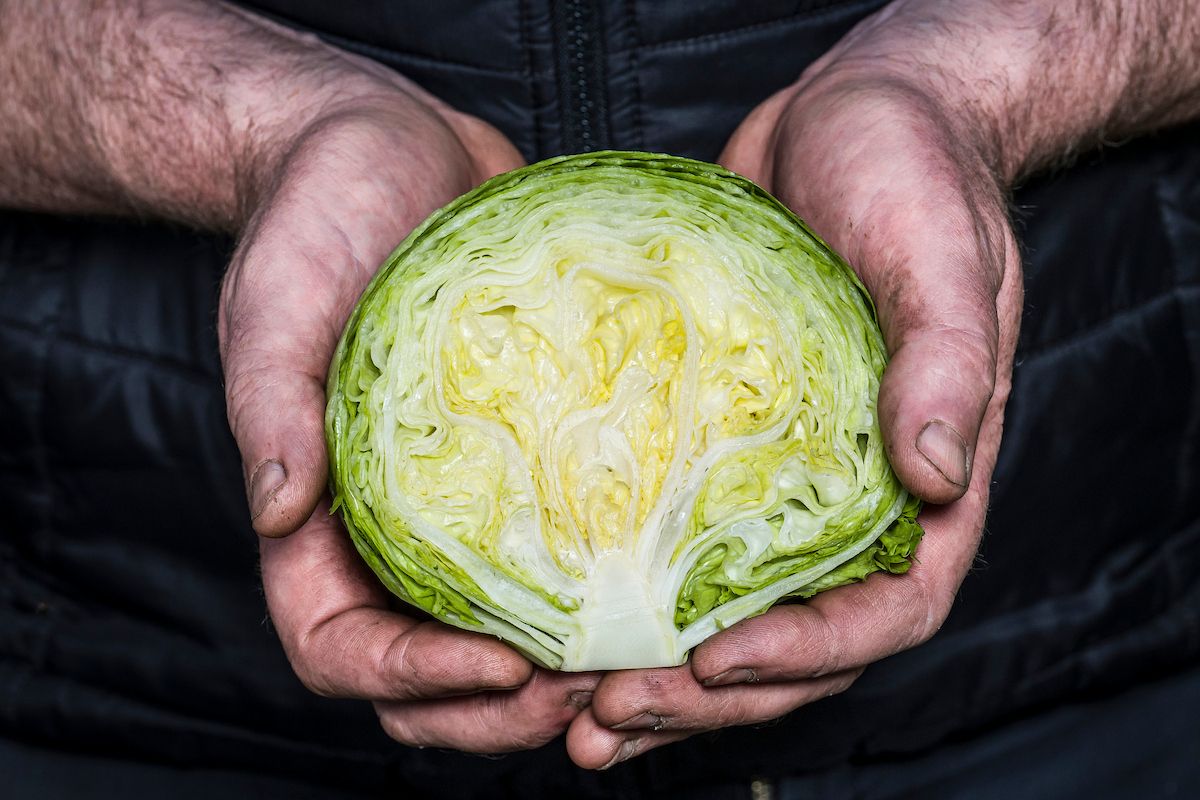
“These are particularly problematic in the wholehead segment where aphids can get into the lettuce head which grows up around it, trapping them and creating a perfect environment in which they thrive,” he explains.
“They are classed as ‘foreign object’ and retailers may reject any lettuces containing them, with severe financial implications for the grower.”
New innovations
Responding to the end-market demand for a reduction in crop protection product use, fewer modes of action and resistance in aphid populations, the industry has been seeking alternative ways to prevent these pests.
“Most growers are now thinking strategically and using Integrated Pest Management, combining tactics across the whole farm,” explains Matt.
One tactic which is widely deployed is the use of wildflower strips to attract beneficial insects.
“Ladybirds and lacewings, for example, naturally eat aphids. By increasing their numbers, growers can reduce the aphid population in their crops. Flower strips grown alongside the lettuce crops create an ideal habitat for these predatory insects which migrate into the crop to feed, keeping the aphid populations in check.”
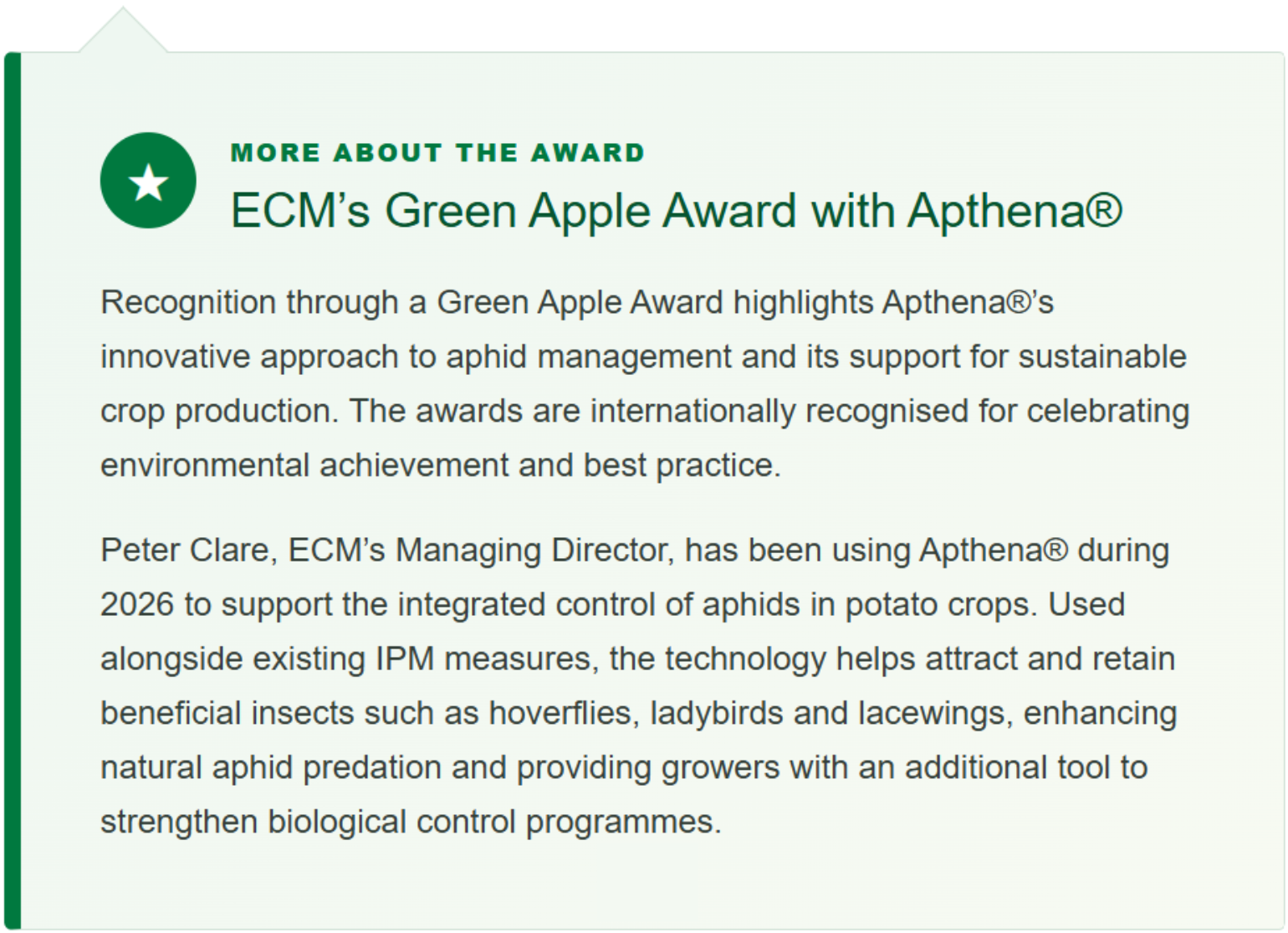
This type of tactic is now being enhanced with new innovations like Apthena®, a new beneficial insect attractant from BASF, which recently won a Green Apple Award*.
“Apthena is designed to amplify natural aphid control and contains (E)-β-farnesene (EBF), a natural pheromone that aphids release as an alarm signal when disturbed. Natural enemies use this scent to locate their prey,” explains Matt.
“It is an exciting development and much-needed new tool that supports the genetic resistance that we, as seed breeders, are developing.”
A holistic approach
Matt stresses that developing lettuces that are resistant to the aphids is only one part of the puzzle.
“These new varieties must also have the other traits that farmers and consumers desire. For example, there’s a whole suite of diseases, including downy mildew (Bremia lactucae), that they also need to be resistant to. And they still need to be resilient to the growing conditions, have vigour if they are a spring or autumn variety, or ‘field holding’ capabilities and resistance to bolting, if they are a summer one. Of course, they need to have marketability as well – colour, shape, size, flavour and shelf life – are no less important in a resistant variety.”
“It is one of the reasons we’ve not rushed to market with our new aphid resistant varieties, we want to make sure that they meet the needs of everyone in the supply chain.”
Matt says growers cite consistency as a key reason they plant BASF | Nunhems varieties.
“Growers, retailers and processors look to us to deliver on the ‘whole package’,” he says.
“Varieties like Zorin and Groovin are great examples. They are highly resistant to the latest strains of downy mildew - Bl:29-41EU -, they have exceptional field holding, meaning growers have greater flexibility to manage their time and resources.
“Groovin is a vibrant green, while Zorin is a more classic, uniform colour, both are particularly appealing to consumers.”
Looking ahead, Nunhems has six new icebergs heading to the UK market in the next year.
“The chances are you’ll be eating one of these new varieties within the next year,” he says.