Protecting the future
The Urea Stewardship Programme governs the use of urea-based fertilisers as part of the Government’s Clean Air Strategy 2019 and is a voluntary stewardship initiative designed to reduce ammonia emissions from urea fertilisers.
Any fertiliser containing more than 1% of urea nitrogen can only be applied between 15 January and 31 March each year; otherwise a urease inhibitor must be used.
“While farm audits are undertaken by Red Tractor, Defra is monitoring atmospheric ammonia levels,” cautions Andrew. “It is also surveying fertiliser manufacturers and comparing the volumes of urea, inhibitors and inhibited urea sold. There are real-world consequences if best practice isn’t adhered to. The reality is, if you’re using urea, you should be using a treated urea.”
“Ultimately, it is better to keep nitrogen where it should be - in the soil - for a longer period of time,” says Andrew. “Urease inhibitors aren’t only good for the environment, they make agronomic and economic sense too.”
On-farm advantages
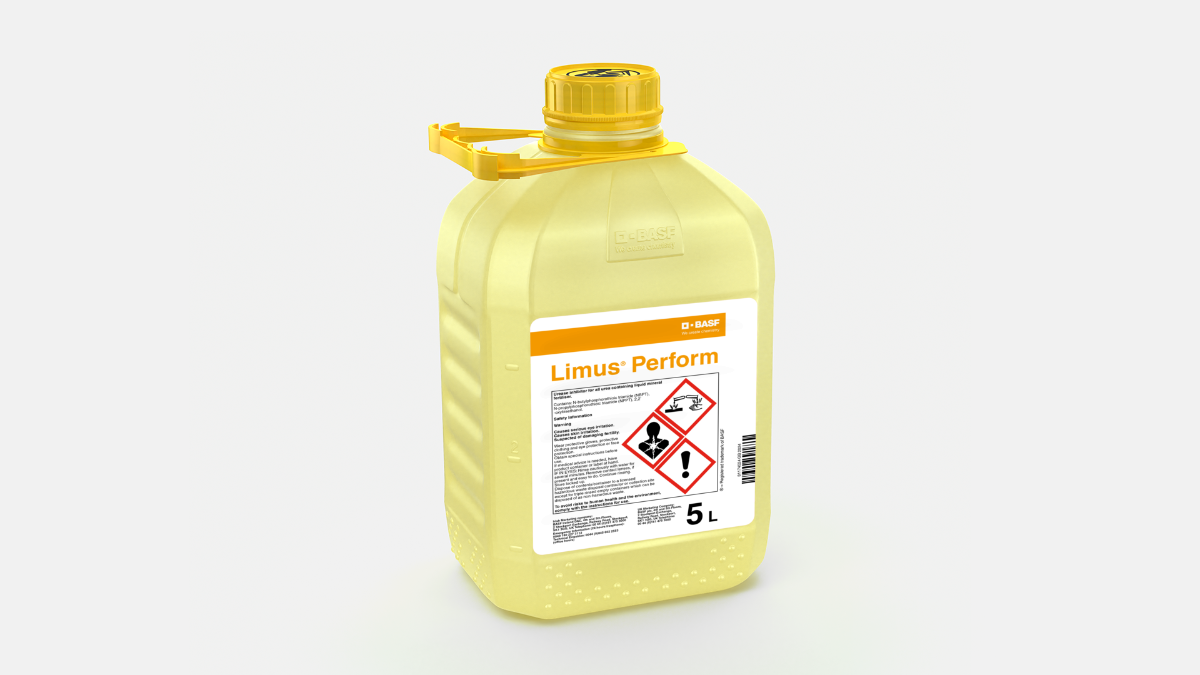
Steve started using urease inhibitors before the guidelines came into effect in April 2024. In 2025, Limus protected urea was used across the whole farm.
“Initially we used Limus protected urea as a risk management strategy for the last applications going onto wheat and maize. We were impressed with the results. Last year, the vast majority of our applications – even if they were before the end of March – went on with an inhibitor.”
The approach is likely to reduce costs for Steve’s farm. Comparing the cost per kilo of nitrogen, Andrew says that urea plus Limus costs less than ammonium nitrate.
“It’s better value, from both a cost and performance perspective.”
Russell agrees: “Why wouldn’t you want to save money, protect soil-based nutrients and help environmental recovery?”