Medax® Max – T2 in Winter Cereals in 2021

Dry T1 may have meant light PGR use - now is the time for a good PGR at T2.

A very dry & cool April has meant many people reduced PGR dose and loading on their winter cereals. This may have compromised the plants ability to build a good anchorage system to provide the needed support later in the year.

Where early PGR applications were light, T2 is now the time to shorten the upper internodes and strengthen the stem to help increase resistance to lodging.

At GS 37-39, crops are still only about 50% of their final height and so rapid growth following the recent rains and late uptake of fertilizer can easily result in lodged crops.

A height reduction of just 5cm is enough to increase the variety lodging resistance score by the equivalent of one point.

Yield potential is still good for many crops, think of the leverage forces that heavy rain and high wind may exert of the crop later in the season, so now is the time to provide insurance against lodging.
Medax® Max at T2:

  • Can be relied upon to work in the current varying weather conditions
  • Two proven active ingredients working together to provide both immediate
    • Shortens and strengthens the upper internodes, reducing brackling, reduces stem leverage
    • Thickens the main stem, increasing resistance to stem lodging
    and long-lasting activity
  • Flexible product
    • Use on all winter and spring cereals
    • Wide application window, even late in the season when growth stage cut offs can be an issue
    • Compatible in a wide range of tank mixes

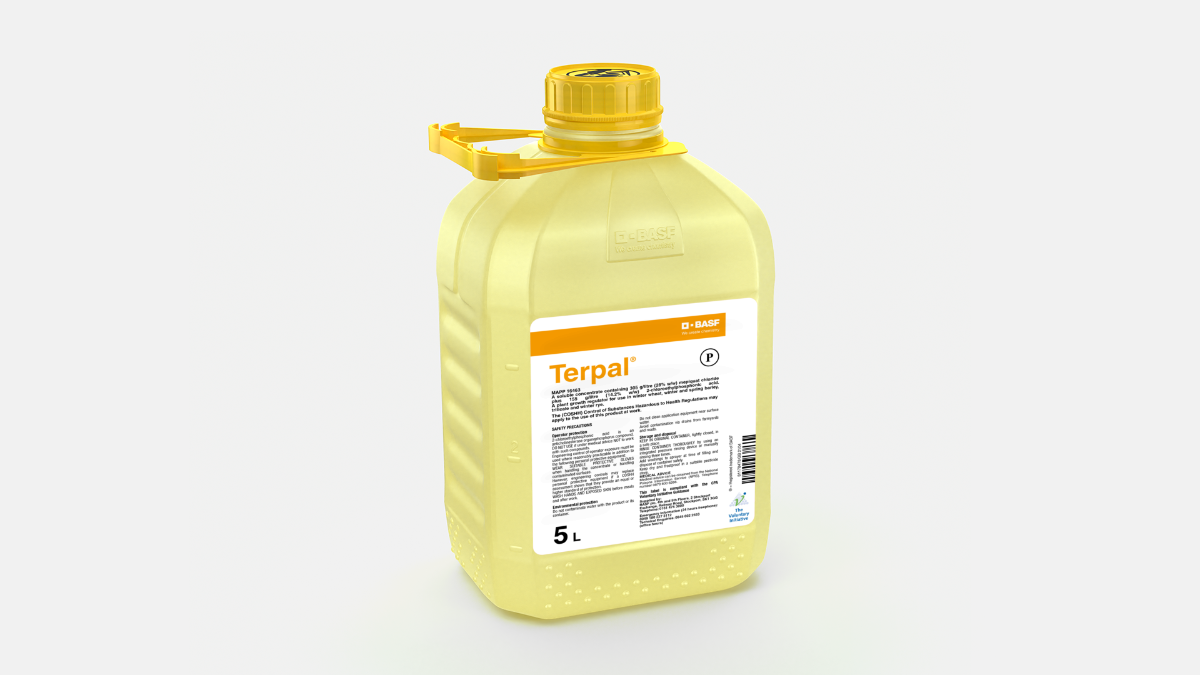
Terpal® at T2

Terpal® is an alternative PGR at T2, especially in barley crops where the combination of mepiquat-chloride and 2-chloroethylphosphonic-acid provide the best option against brackling and evening-up the height of the main and side tillers.

PGR program so farTiming T2, GS 37/39Comments
Low to Medium risk situations

e.g. crop has had T0 & T1 PGR
Medax® Max 0.3 kg/ha
OR
*Terpal® 0.75 l/ha
Where yield potential is high, and wanting to keep upper internodes short to reduce stem lodging risk
High risk situations

e.g. Crop has only had T1 PGR or reduced T0/T1
Medax® Max 0.4-0.5 kg/ha
OR
*Terpal® 1.0 l/ha
Consider boosting dose if crop growth is already ‘leggy’ and crop had no T0 PGR.

Use the higher rates on rapidly growing, vigorous crops such as Hybrid Barley, Rye and Oats*.

*Terpal® is not approved for use on winter oats

Barley and Brackling:

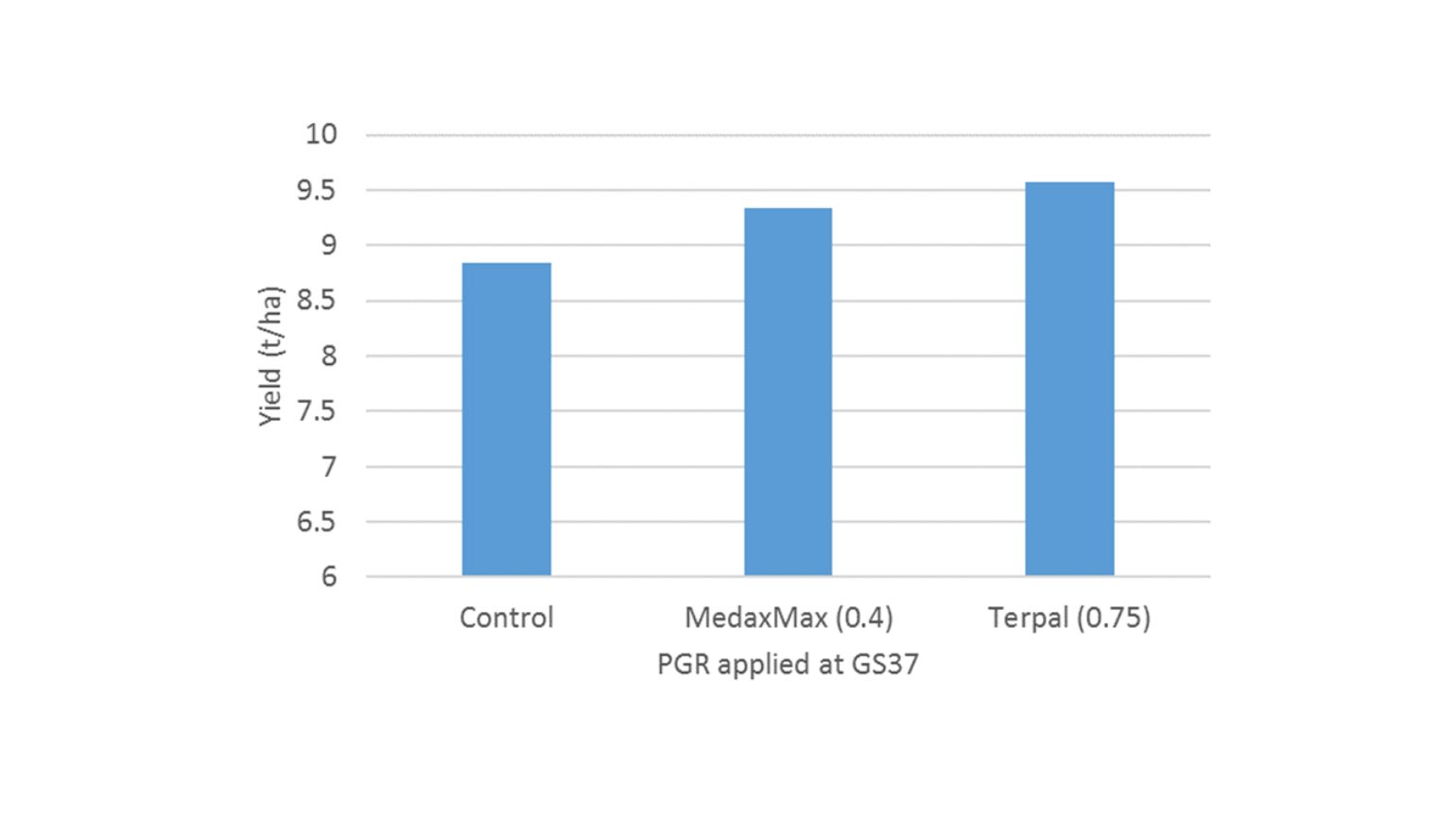
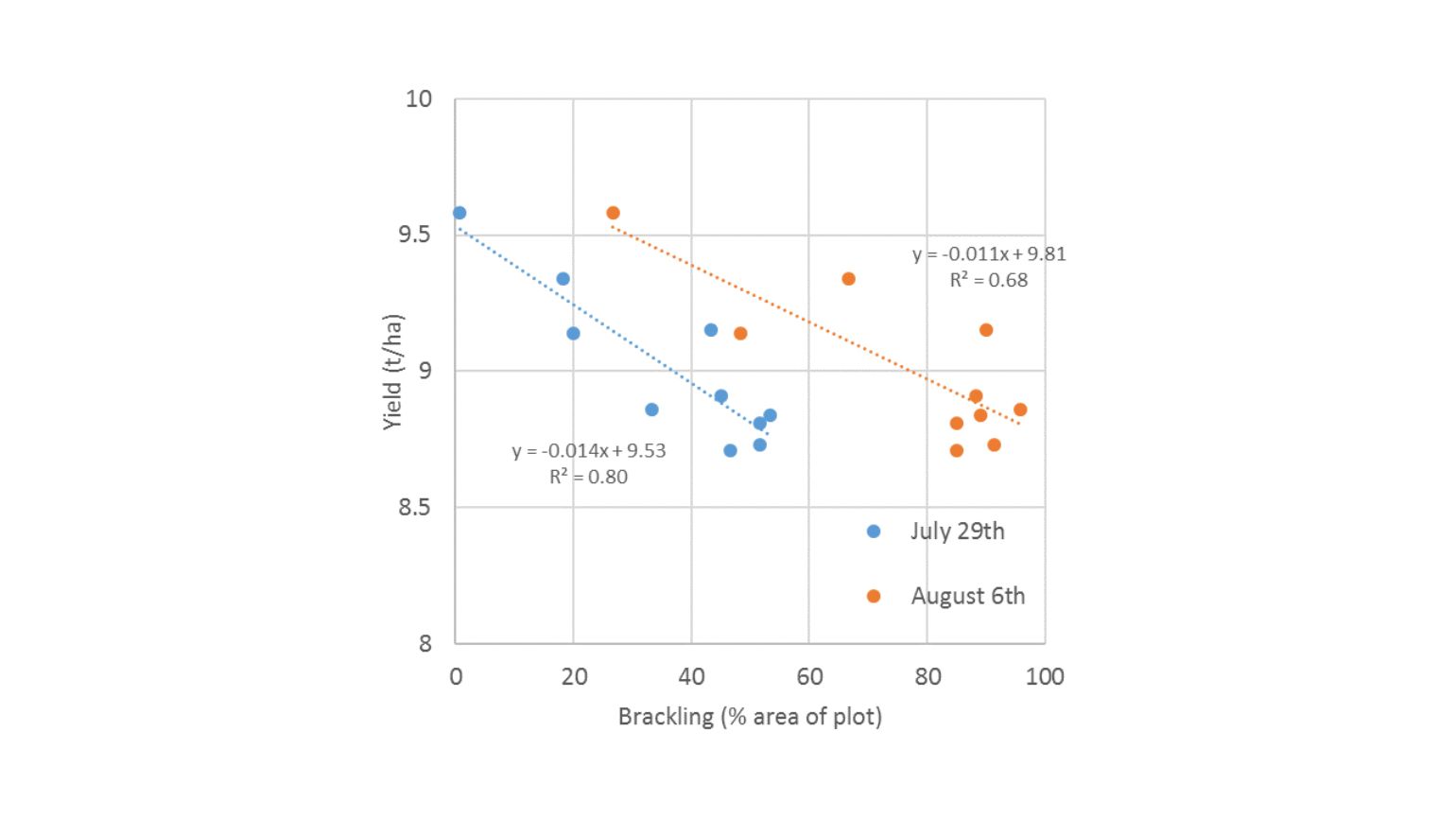
Effect of brackling trial conducted by ADAS in 2019 highlighted the impact a brackled crop can have on yield.

Each 10% increase in the area brackled reduced yield by 0.11 to 0.14 t/ha.

Both Medax® Max and Terpal® applied at GS 37 were found to be effective at

  • reducing crop height
  • reducing the area brackled
  • increasing yield

Wheat height and lodging reduction from T2 application:

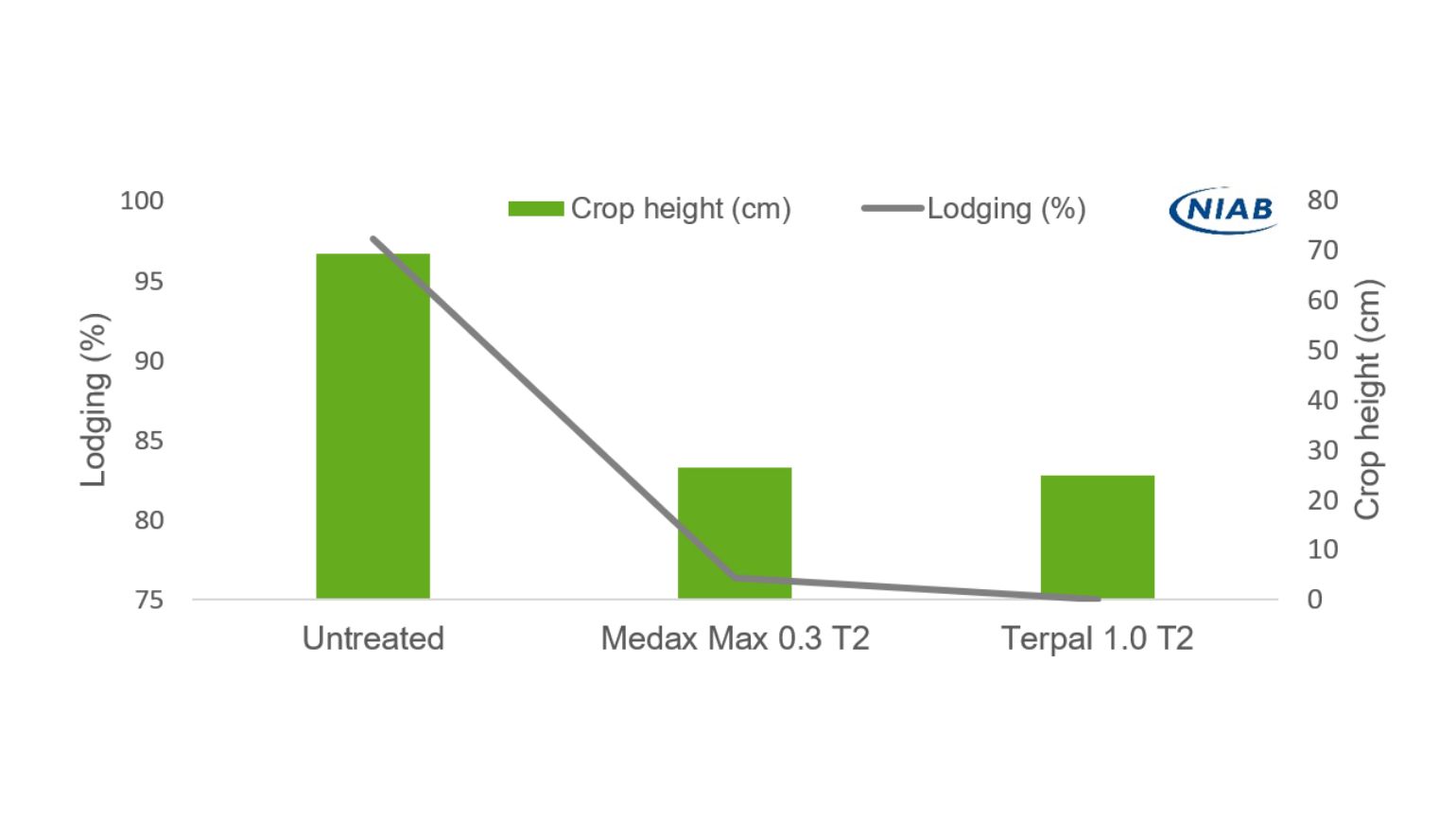
Independent trials carried out by NIAB have also shown the benefit of T2 applications of Medax® Max and Terpal® to reduce crop height and lodging.

Medax® Max – Crops, rates and timings:

CropsMax individual dose(kg product/ha)Max total dose(kg product/ha)Latest time ofApplication
Winter wheat Winter triticale *0.75 kg1.0 kgUp to and including the end of booting (BBCH 49)
Winter barley **1.0 kg1.5 kgUp to and including the end of booting (BBCH 49)
Winter rye **1.0 kg1.0 kgUp to and including the end of booting (BBCH 49)
Spring wheat Durum wheat Spring oat0.5 kg0.5 kgUp to and including flag leaf ligule just visible (BBCH 39)
Winter oat
Spring barley
0.75 kg0.75 kgUp to and including flag leaf ligule just visible (BBCH 39)
Other specific restrictions: * A maximum of 0.5 kg/ha can be applied to winter wheat and winter triticale during booting (BBCH 41 to 49). ** A maximum of 0.75 kg/ha can be applied to winter barley, winter rye during booting (BBCH 41 to 49).

Use plant protection products safely. Always read the label and product information before use. If you have any queries or require further information, please contact your local BASF agronomy manager. Contact details can be found at www.agricentre.basf.co.uk. Or the BASF Technical Services Hotline: 0845 602 2553

Medax® Max contains prohexadione calcium and trinexapac ethyl. Terpal® contains mepiquat chloride and 2-chlorethylphosphonic acid. Medax® Max and Terpal® are registered trademarks of BASF. All other products are those of other manufacturers where proprietary rights may exist.

Always read the label and product information before use. For further product information including warning phrases and symbols refer to www.agricentre.basf.co.uk

ADAS-PGR-applied-UK.jpg

medax_max_2-UK.jpg

Medax® Max

Medax® Max is a plant growth regulator for the reduction of crop height which can lead to the control of lodging in winter and spring wheat, durum wheat, winter and spring barley, winter and spring oats, winter and spring durum wheat, winter and spring rye and winter and spring triticale.

Terpal_58670067_GB-UK.png

Terpal®

A plant growth regulator for late season use in winter wheat, winter and spring barley, triticale and winter rye. Terpal® is the tried and tested industry standard, delivering stem and root lodging resistance, and is an invaluable tool for protecting yield and quality.