Spring Barley Disease Control

Key Points:

  • Early stress to barley crops increases risk of Ramularia infection
  • Revysol® has proven ramularia activity
  • Xemium® continues to protect against Rhynchosporium, improves straw quality and reduces brackling – it remains the strongest SDHI in barley

Spring Barley Recommendations

0.5 – 0.75 l/ha Revystar® XE

  • A combination of the strongest barley SDHI is Xemium® and Revysol®, a new benchmark for ramularia control
  • Strong control of Rhynchosporium and brown rust
    • Malting crops – Apply by GS45. Do not exceed 62.5 g/ha Xemium®
    • Feed crops – Apply by GS69

AHDB-curve-ramularia-croped-UK.jpg

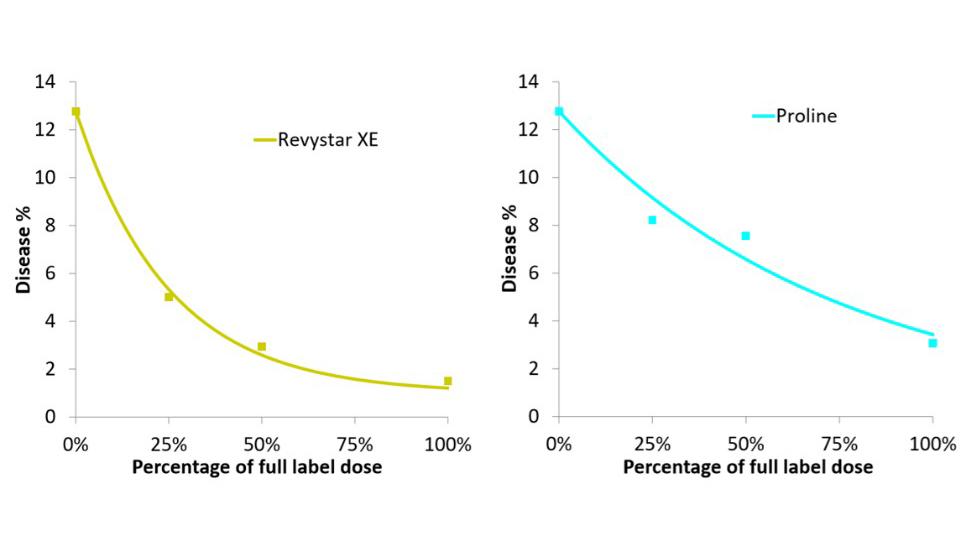
AHDB fungicide performance data confirm the value of Revystar® XE on mitigating ramularia infection (Ramularia 2019 – 1 winter and 1 spring barley trial).

Controlling Ramularia

Due to resistance, strobilurins, SDHIs and conventional azoles including prothioconazole now offer limited Ramularia protection. In the absence of chlorothalonil, fungicide performance experiments conducted by ADAS, NIAB TAG, SRUC and Teagasc on behalf of AHDB highlight that Revystar® XE remains the key fungicide for ramularia control.

AHDB-curve-ramularia-croped-UK.jpg

Stressed conditions, and Ramularia infection

Foliar symptoms of Ramularia are more prevalent in crops that are stressed. Compounding this is continued leaf wetness and increased cumulative temperature – both known to be conducive to ramularia development.

T2 maintains the potential of barley, and fungicide applications must:

  • Minimise crop stress – avoid complex tank mixtures and apply in the most benign environmental conditions
  • Provide the strongest level of ramularia activity
  • Maintain green leaf area
® There also appears to be a relationship between Ramularia infection and brackling. Removing any source of disease on the straw and maintaining quality complements the activity of Revysol itself.
Xemium® effects on straw breakdown

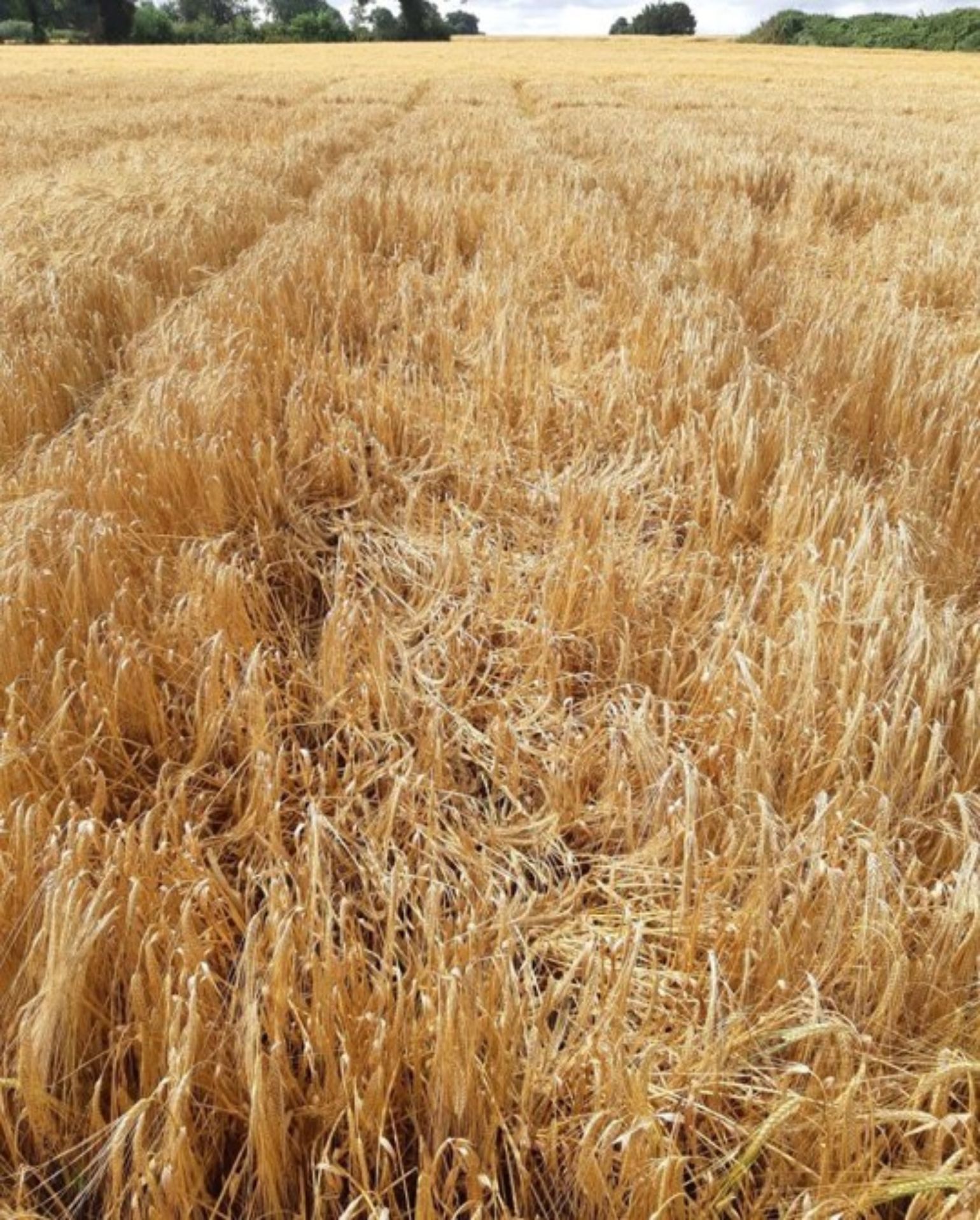
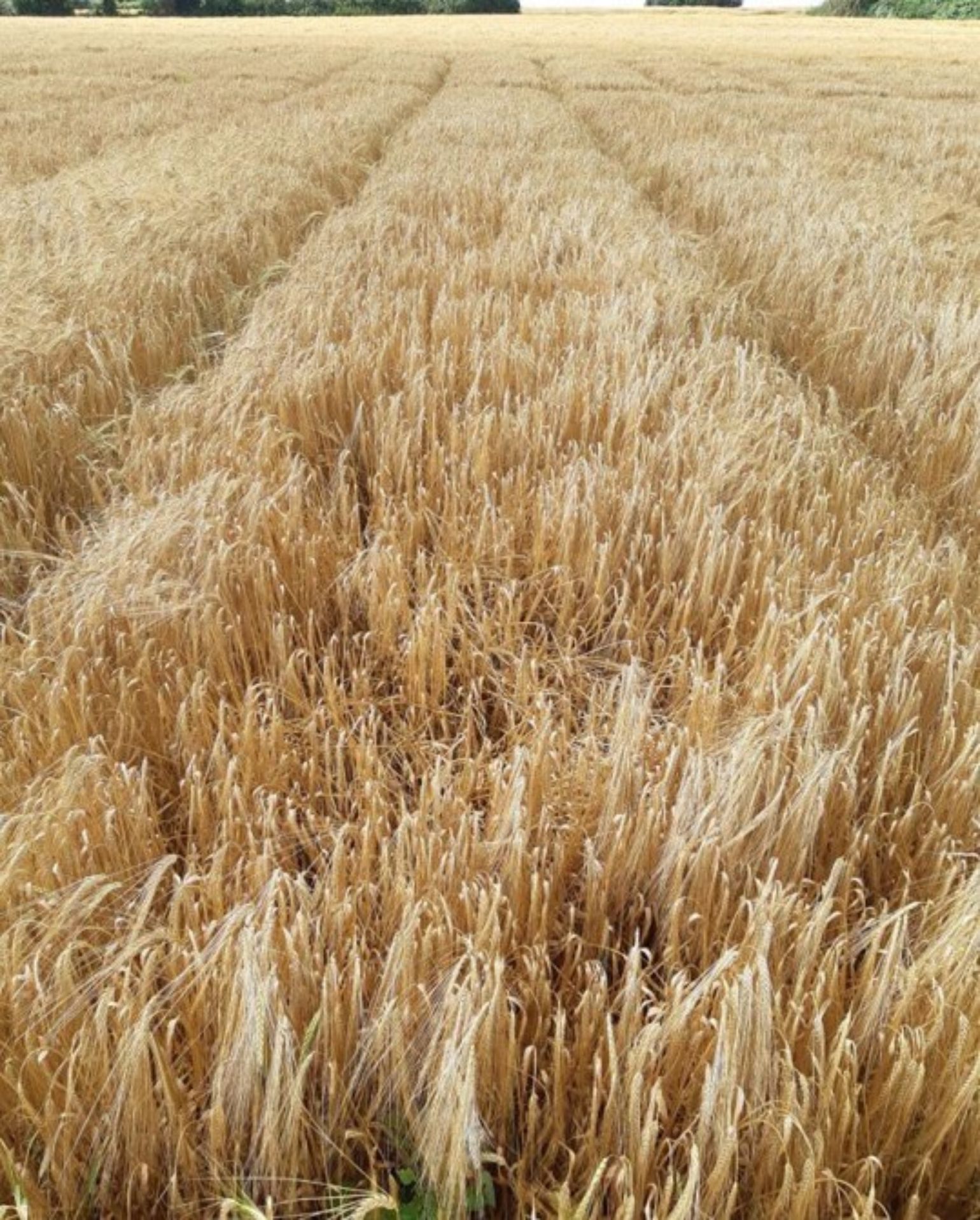
Rainfall in combination with warming temperatures is likely to result in rapid spring barley growth. Weak straw can result in an increased brackling risk, particularly where PGR timings are compromised. As well as effectively controlling disease, fungicides containing Xemium® have proven over many years to reduce brackling and necking in barley. Any unforeseen delay to harvest exacerbates head loss in barley and strengthening the straw will mitigate this symptom.

Use plant protection products safely. Always read the label and product information before use. For further product information including warning phrases and symbols refer to www.agricentre.basf.co.uk. Revystar® XE contains mefentrifluconazole (Revysol®) and fluxapyroxad (Xemium®). Proline® 275 contains prothioconazole. Siltra® Xpro contains bixafen and prothioconazole. ElatusTM Era contains benzovindiflupyr and prothioconazole. Revystar®, Revysol® and Xemium® are registered Trademarks of BASF. All other brand names used on this publication are Trademarks of other manufacturers in which proprietary rights may exist. © BASF 2021. All rights reserved.

barley-funginar-UK.jpg

Barley Disease Control Funginar

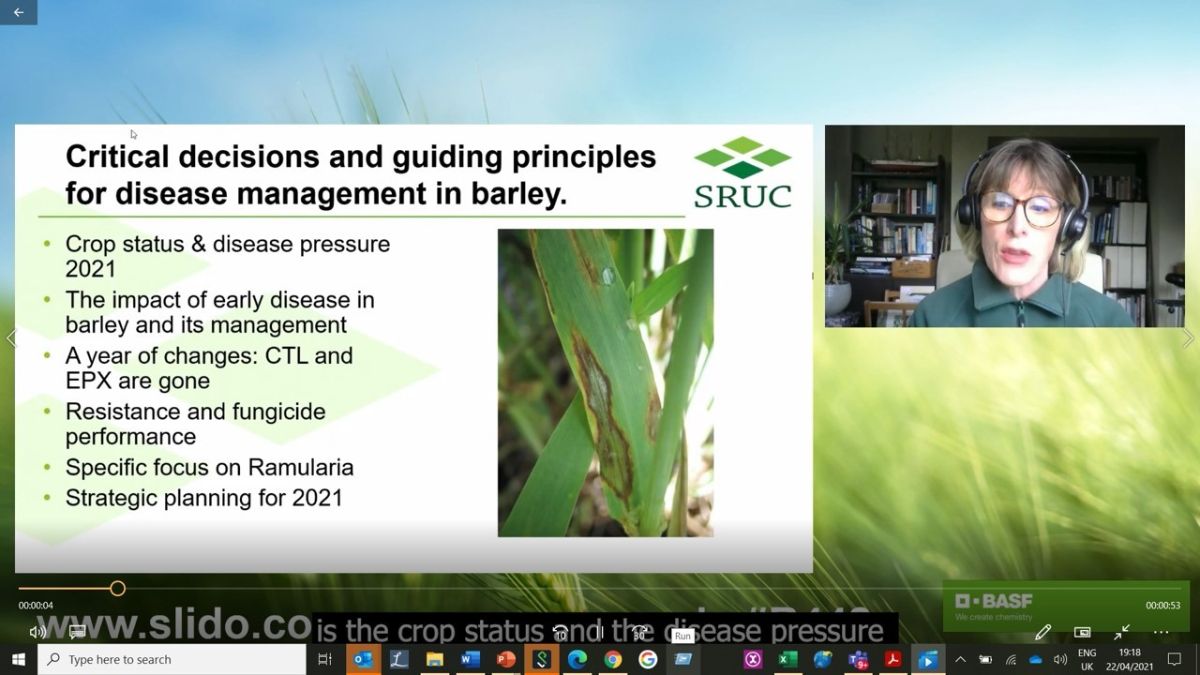
In a recent webinar, we discussed barley disease control, with guest speakers Professor Fiona Burnett from SRUC, and David Leahy from BASF. The expert panel reviewed the main barley diseases and explored fungicide performances, straw quality, and stress management.

Barley Disease Control Funginar