Vegetable Fungicides - Signum®/Perseus®
Signum® and Perseus® – provide the core of a fungicide programme.
Overall Reminders:
- Signum® provides broad spectrum disease control for a wide range of vegetable crops, with over 30 recommended crops as EAMU or label.
- Signum® has a key strength in controlling sclerotinia – a mainstay for control of sclerotinia in carrots. Shown to get the best control when applied as the canopy closes over.
- Perseus® – first introduction of next generation SDHI, Xemium into vegetables and salads co-formulated with difenoconazole. Class leading protectant activity of the main foliar diseases including ringspot, alternaria and powdery mildew.
Comment on Signum:
Signum® remains the strongest option for controlling sclerotinia, while also providing control of alternaria, ringspot, rhizoctonia and powdery mildew.
In addition, the range of crops covered on label and via EAMU is more than 30 – making it a highly flexible choice for vegetable and salad crops.
Focus on Perseus:
Crops: On label for use on carrots, cabbage, sprouts, cauliflower, broccoli/calabrese, lettuce field and protected, vining peas.
EAMU for use on: Beans with pods, dwarf french bean, edible podded pea, runner bean, celeriac, horseradish, swede, turnip, red beet, radish, parsnip, Jerusalem artichoke, courgette, gherkin, pumpkin squash
Target diseases: alternaria, powdery mildew, ringspot, and reduction of sclerotinia
What to expect? Confidence in performance. The combination of Xemium and difenoconazole provides consistent control of foliar diseases. Comparisons in field performance for control of ringspot and alternaria consistently demonstrates Perseus delivering to the expectations offered by current standards, Amistar Top, Rudis and Nativo.
Why is it worth using it? Long lasting disease control. The unique properties of Xemium result in both protectant and locally systemic protection of the leaf. Laboratory studies testing performance against alternaria infection showed Perseus providing 10 days foliar protection and greater local leaf mobility (translaminar and apical movement) compared to Amistar Top.
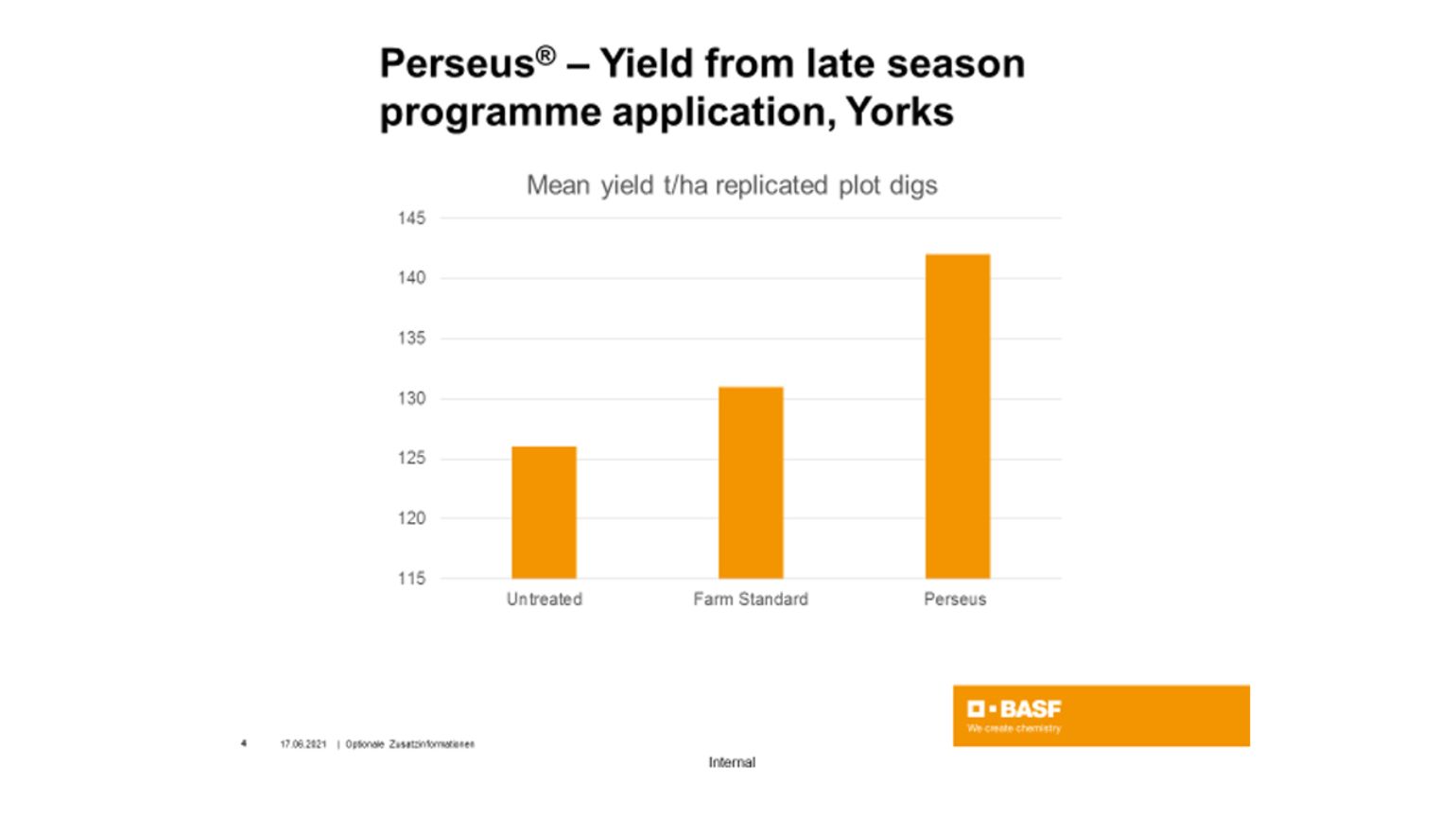
In a carrot trial in Yorkshire in 2020 Perseus was applied later in the fungicide programme (applied at the end of August) to understand the benefit from the persistent control. Yields taken from plot digs in early March 2021 showed a very positive yield increases of 9% over the farm standard, Amistar Top, when applied at the same.
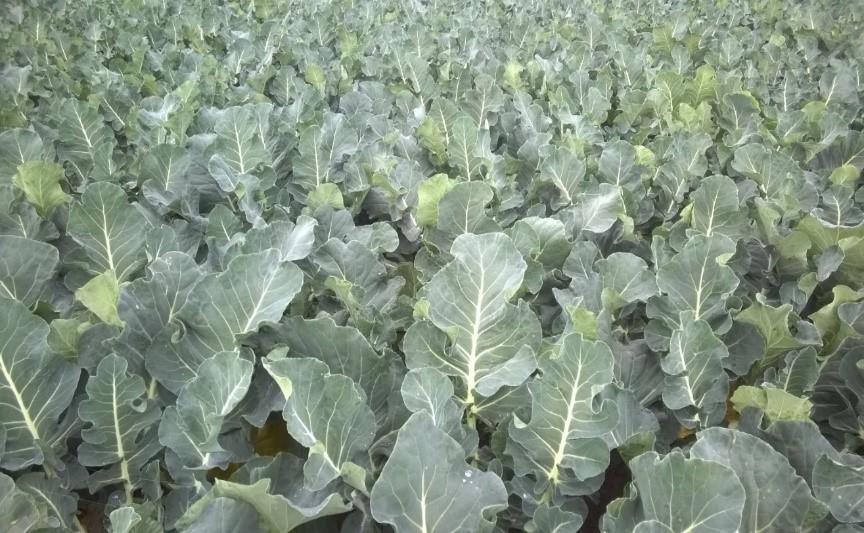
(Picture right) Calabrese treated with Perseus – persistent control.
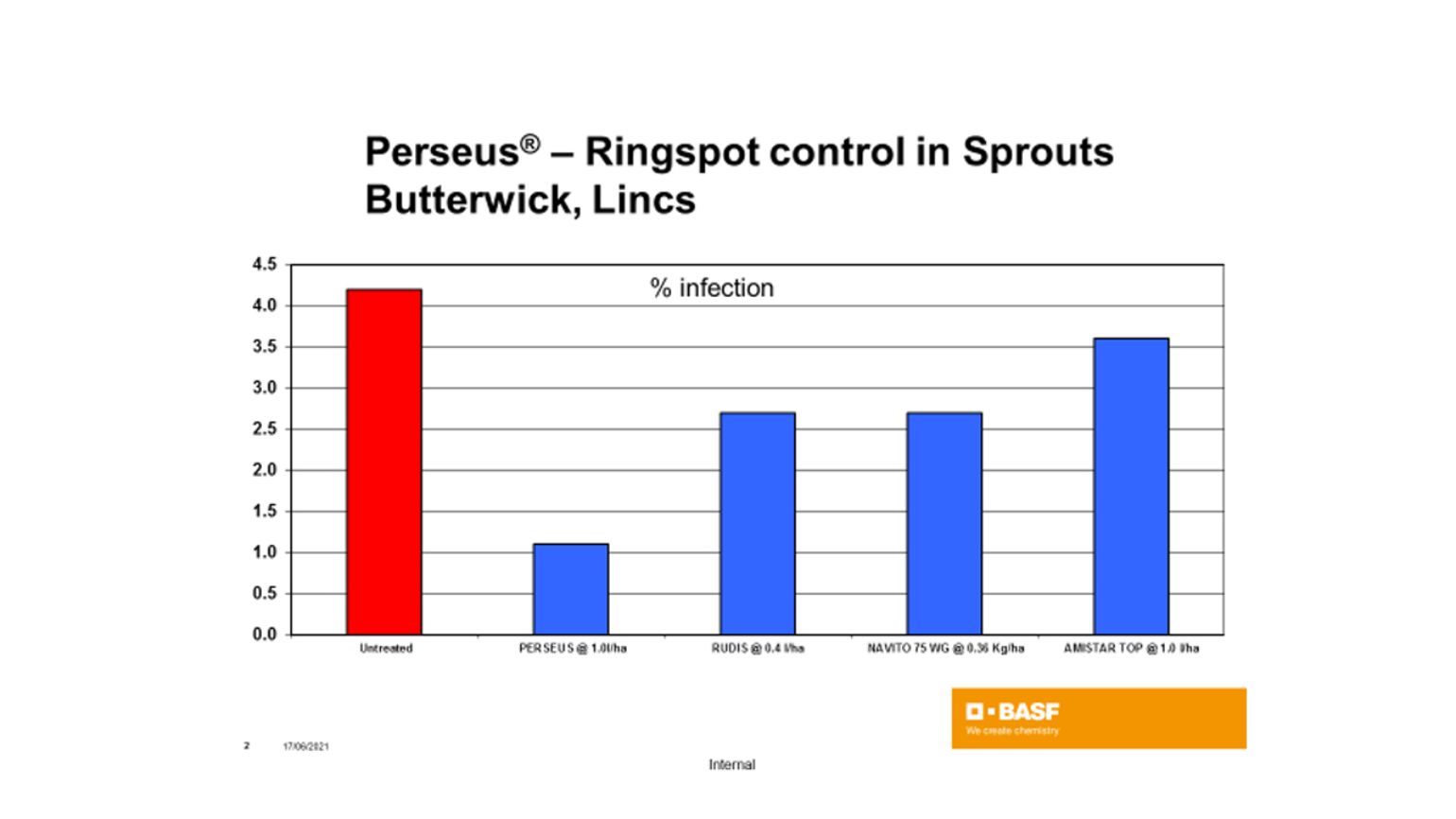
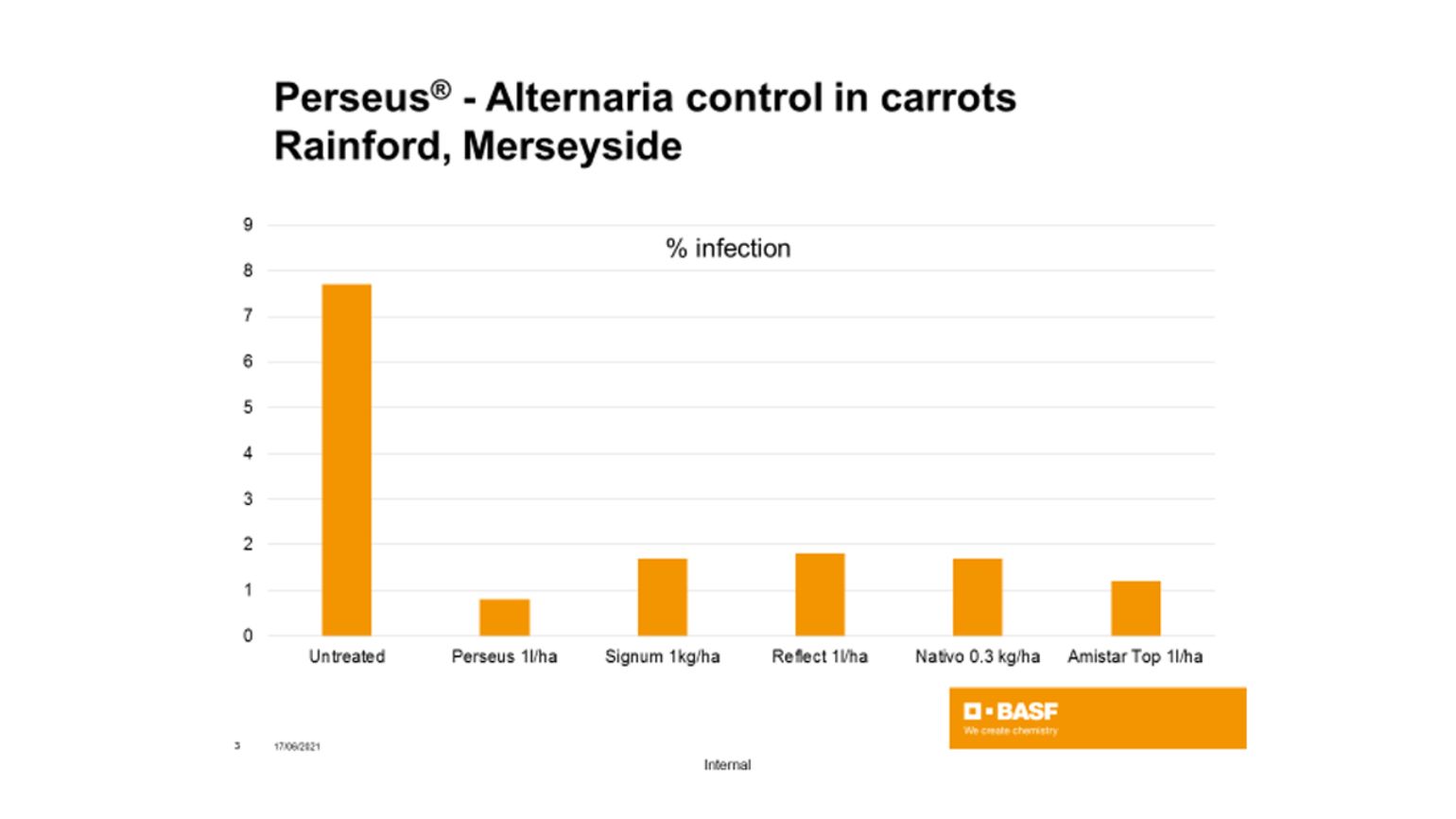
Perseus is a trademark of BASF. Perseus contains fluxapyroxad and difenconazole. Amistar Top is a trademark of Syngenta and contains azoxystrobin and difenconazole Rudis contains prothioconazole. Nativo contains trifloxystrobin and tebuconazole. Rudis and Nativo are trademarks of Bayer.
Use plant protection products safely. Always read the label and product information before use. For further information including warning phrases and symbols, refer to www.agricentre.basf.co.uk. Ensure all warnings and restrictions on all labels are adhered to.