Comet® 200
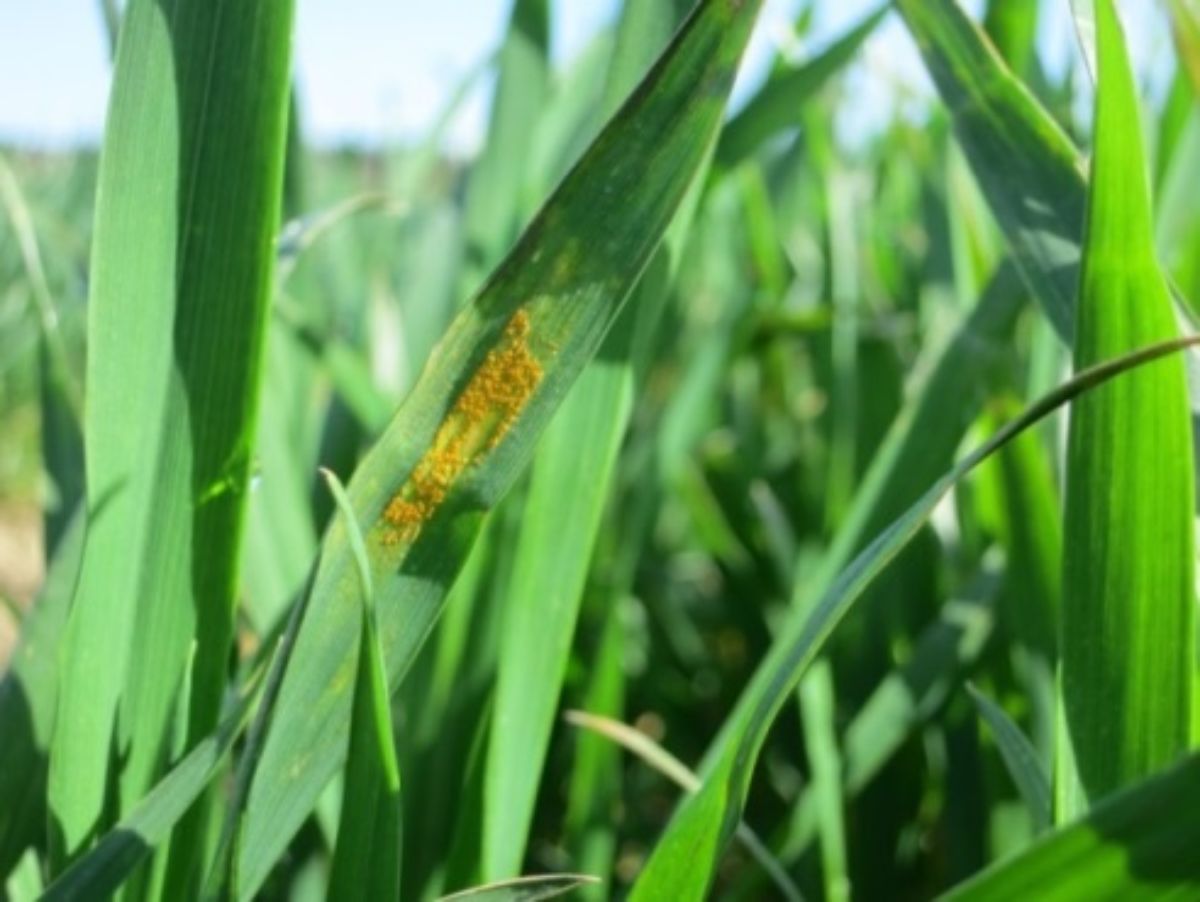
Comet® 200 is a fungicide with protectant and curative properties for disease control in winter wheat, spring wheat, winter barley, spring barley, winter oats and spring oats.
Strongest primary disease protection at T1 or T2
0.75 l/ha Revystar® XE
- Malting Crops: Apply Revystar©
XE by GS 45. Do not exceed 62.6 g/ha of Xemium®- Feed Crops: Apply Revystar© XE by GS 69
High net blotch risk, and crop stress environments
+ 0.4-0.5 l/ha Comet® 200
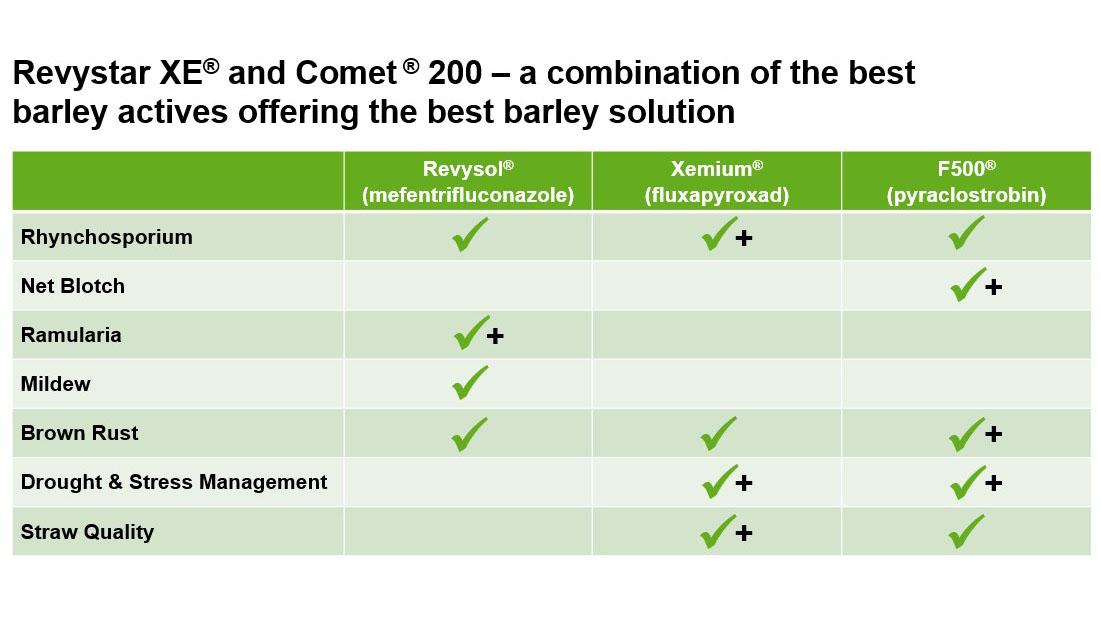
If managed correctly, barley can produce very good returns through both increased yield and quality. Barley yield is determined by ear number (sink limited), unlike wheat which is primarily source limited in the UK. Therefore, a focus on early tiller retention remains key in our barley crops. Understanding exactly what different barley actives are now providing is key to generating both the strongest levels of disease control, and the construction of a sustainable program.
Rhynchosporium, net blotch and mildew control remains important to early tiller retention.
Rhynchosporium
- Xemium®
is the most effective active ingredient on Rhynchosporium. ®
- Both F500® and Revysol® exhibit a strong level of efficacy. ® - Adding prothioconazole to the strongest barley actives available in Xemium and F500 gives a robust start to early season rhynchosporium control.
Mildew
With the loss of fenpropimorph, prothioconazole and Revysol® remain key actives for mildew suppression in barley.
Net blotch
- There is now reduced SDHI sensitivity to net blotch within the UK population, due to the G79R mutation.
® - Strobilurin performance is variable across actives (due to partial resistance in the F129L mutation), but F500
® still remains strong and has a vital part in the program. - Inclusion of F500 gives strong support to prothioconazole, as its own performance continues to erode.
The T2 spray should target ramularia, with continued activity on primary disease control and consideration for straw quality also important.
With the loss of chlorothalonil, late season disease control in barley now requires a different mindset. Ramularia exhibits reduced sensitivity to SDHIs, strobilurins and most azoles, and there is clear evidence that symptoms are worse if the crop is stressed by early disease, large tank mixes or weather. Therefore a combination of appropriate product selection, improving the reliability of primary disease control, and reducing early season stresses will impact positively on the ramularia risk.
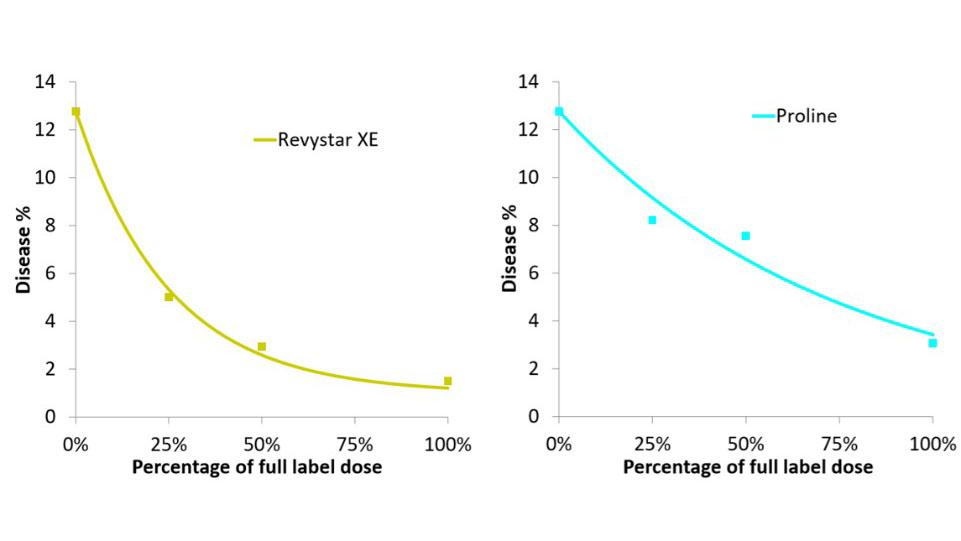
AHDB fungicide performance data confirm the value of Revystar® XE on mitigating ramularia infection (Ramularia 2019 – 1 winter and 1 spring barley trial)
Summer rainfall often results in rapid growth in barley crops. This growth is usually relatively weak, and crops are therefore more susceptible to brackling. As well as effectively controlling disease, fungicides containing Xemium® have been proven to reduce brackling and necking in barley.
Any delayed harvest further exacerbates this head loss in barley, so strengthening the straw to mitigate this becomes important. Revystar® XE has been demonstrated to reduce brackling and can successfully compliment an effective PGR program in barley.
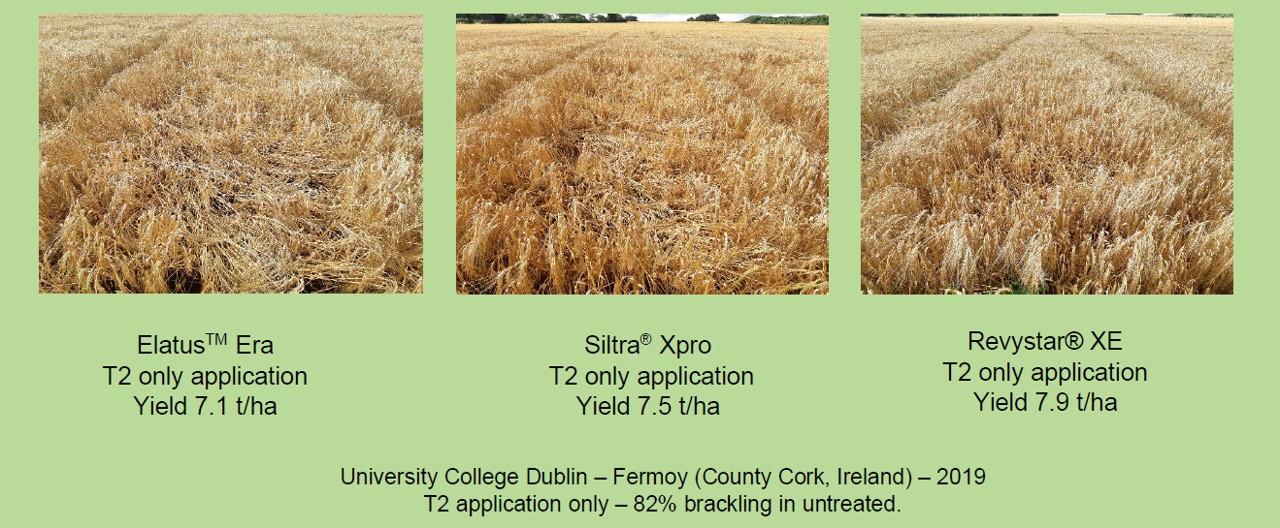
Read more about ramularia and brackling here
Disclaimer
F500®agricentre.basf.co.uk, Comet® 200, Revystar® XE, Revysol® and Xemium® are registered trademarks of BASF. Revystar® XE contains Revysol® and Xemium®. Revysol® contains mefentrifluconazole. Xemium® contains fluxapyroxad. Comet® 200 contains pyraclostrobin. Always read the label and product information before use. For further product information including warning phrases and symbols, you can refer to .
© BASF 2021 | All rights reserved. All other brand names used on this publication are Trademarks of other manufacturers in which proprietary rights may exist.