Rawcliffe Bridge
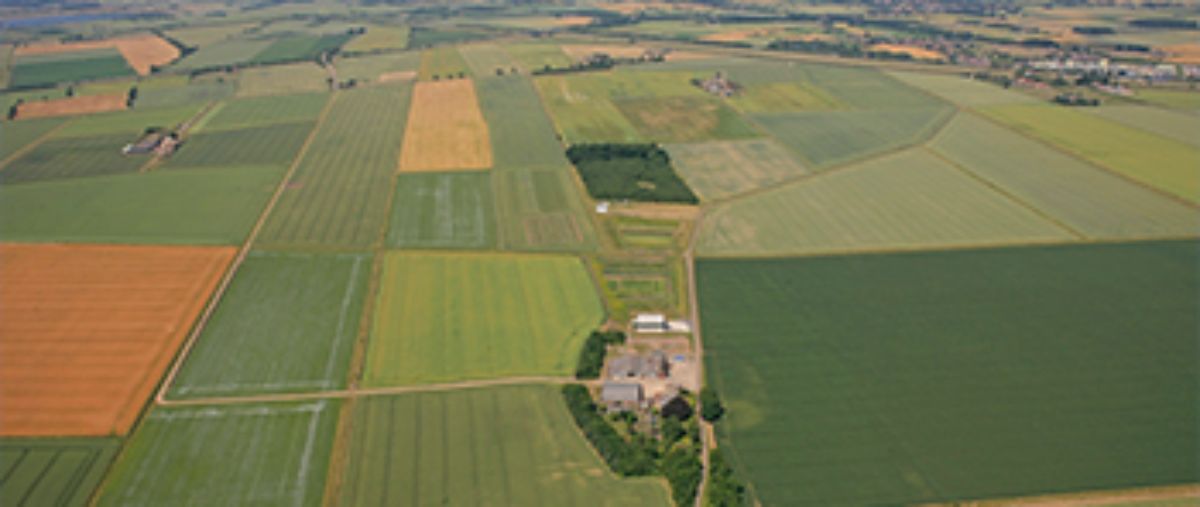
At first glance the Hinchliffe’s 350-acre farm at Rawcliffe Bridge near Goole in East Yorkshire looks like the efficient, productive arable farm that it is.
But ...
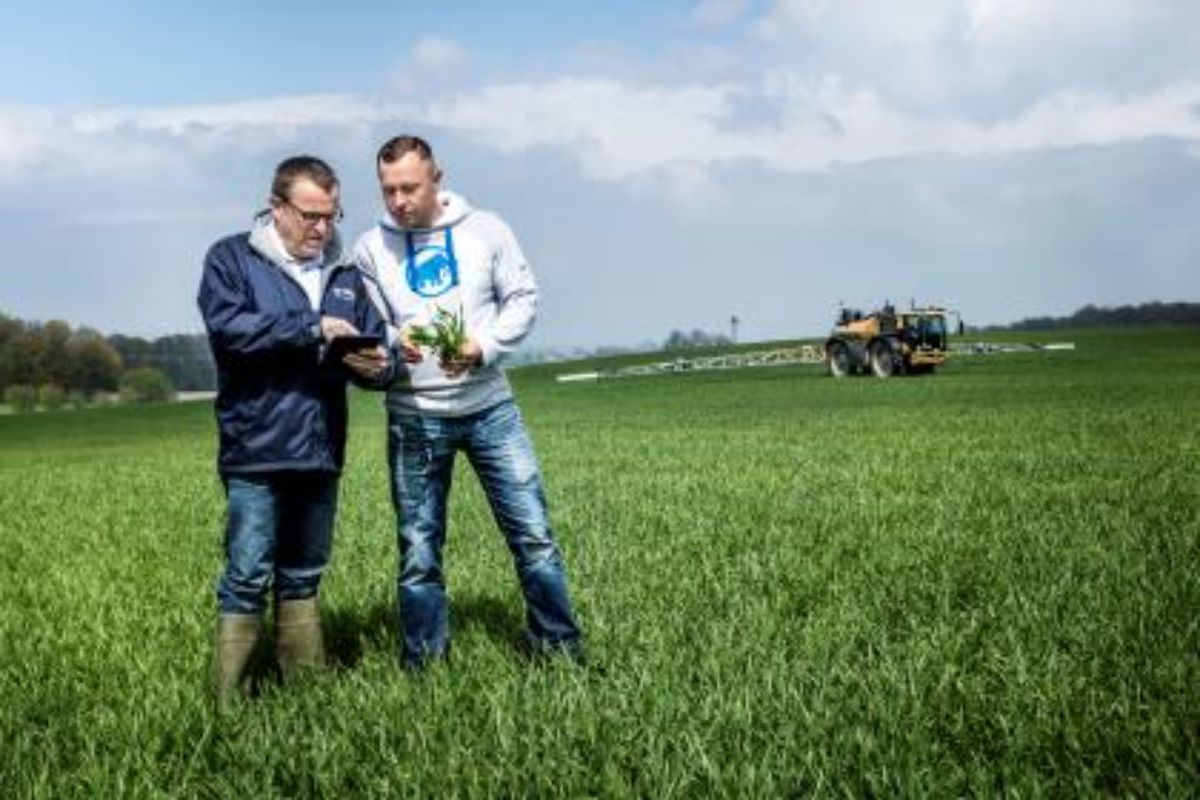
The Rawcliffe Bridge biodiversity initiatives introduced have been practical and have already proved valuable to fellow farmers during numerous farm walks and training days held by the farmer James Hinchliffe in partnership with BASF.
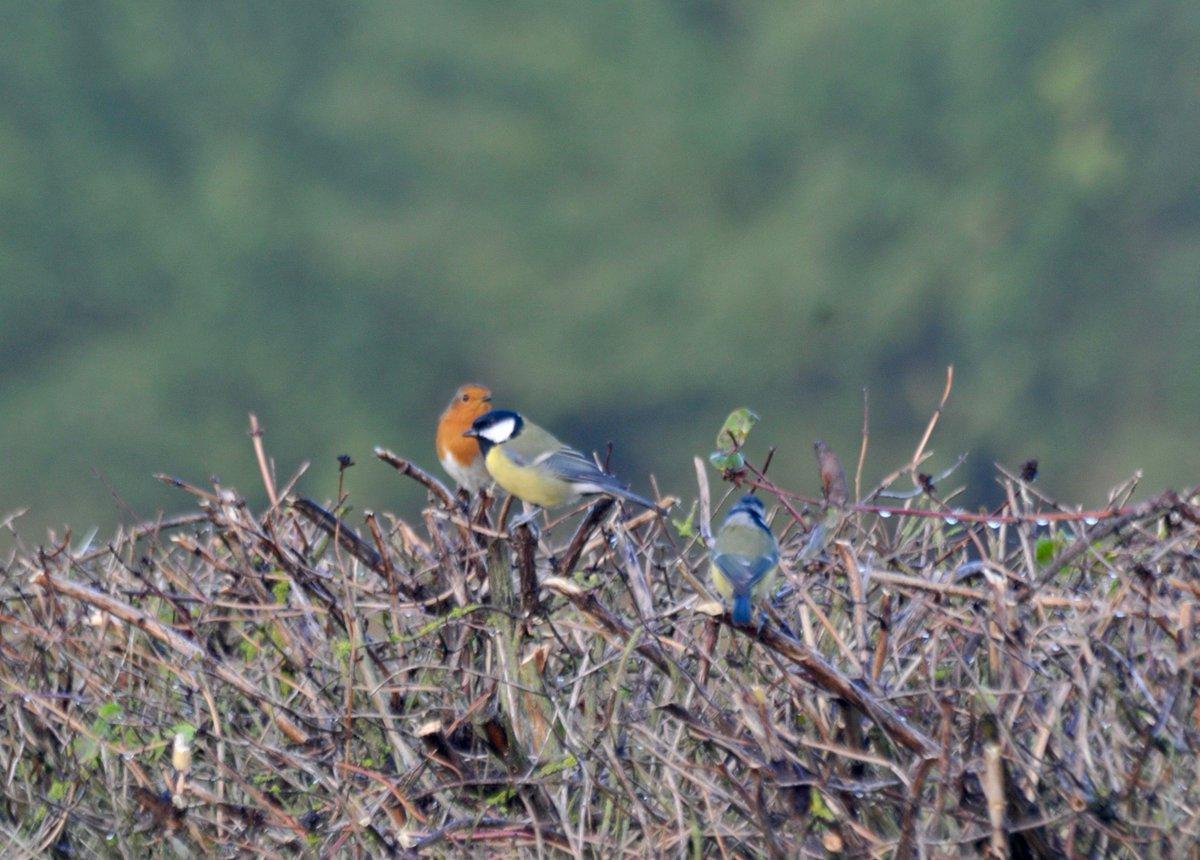
Independent annual counts of birds (conducted to RSPB and British Trust for Ornithology standards), bats, moths and butterflies have also been undertaken to gauge the effectiveness of the measures.
These counts have been very valuable in planning what needs to be done next to encourage the species that you want on the farm.
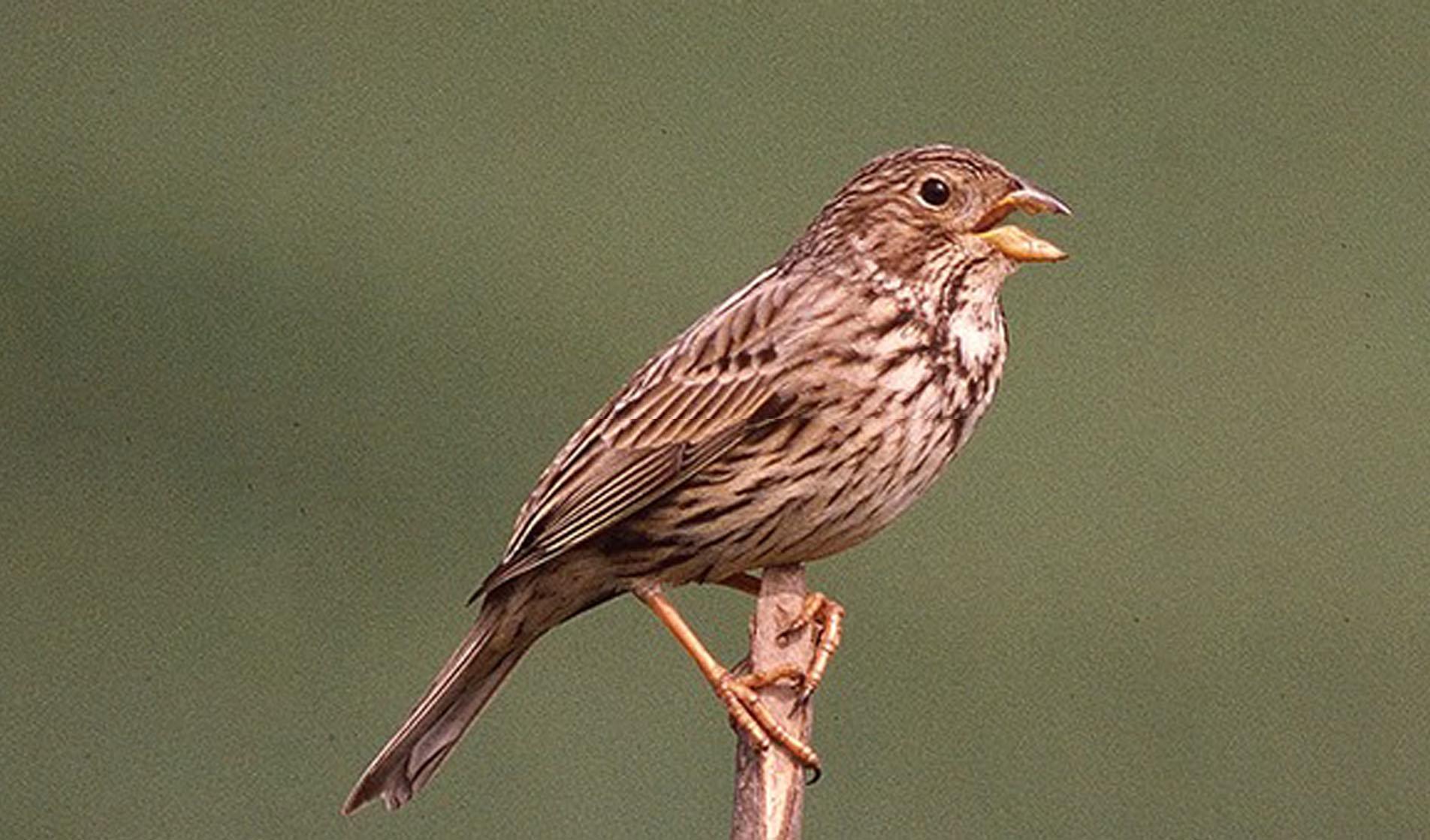
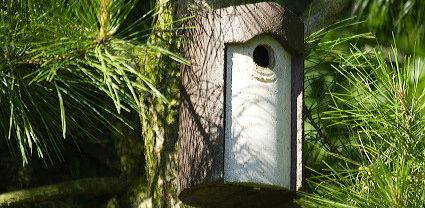
The focus has been on enhancing the wildlife features on the farm using simple techniques, farm labour and standard farm equipment. BASF have worked with James Hinchliffe to establish year-round food supplies for birds as well as roosting/nesting sites James has planted and encouraged plant species which have in turn attracted amphibians and insects, particularly those species fed to fledglings during the nesting season.
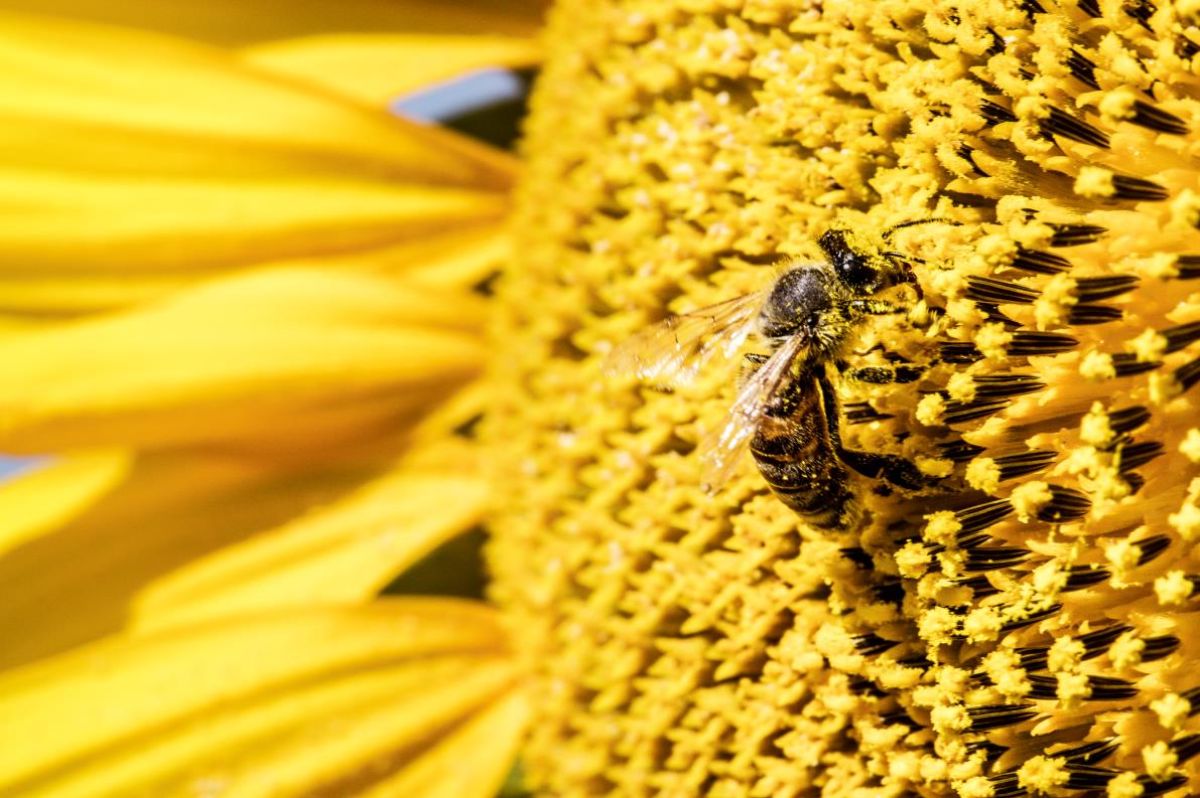
Pollinators also benefit from the managed approach to creating habitats. Butterflies and bees respond to an increase in pollen and nectar in the landscape which attracts pollinators and helps increase populations.
The mixture of flowering species within the habitats created using “biodiversity by design” are situated ideally within the farm to encourage foraging. Pollen and nectar are produced from early spring to late autumn by planning sowing dates and bee nest sites are found in the field ditch sides and woodland. Similarly, butterflies benefit from the tall grassy habitat enhanced with a variety of wild flowers which, together with nearby woodland, deliver areas for hibernation and egg laying.
Nearly every field has a ditch around two sides, which provide good wildlife corridors and the annual dredging and cutting is delayed until October on a rotational rather than annual basis to encourage the tussocky grasses favoured by voles. Mr Hinchliffe has also planted 7 acres of native broad-leaved trees and berry-bearing shrubs with Corsican pine, alongside a 100-year-old oak wood. To extend the wildlife corridors further grassy margins have been planted.
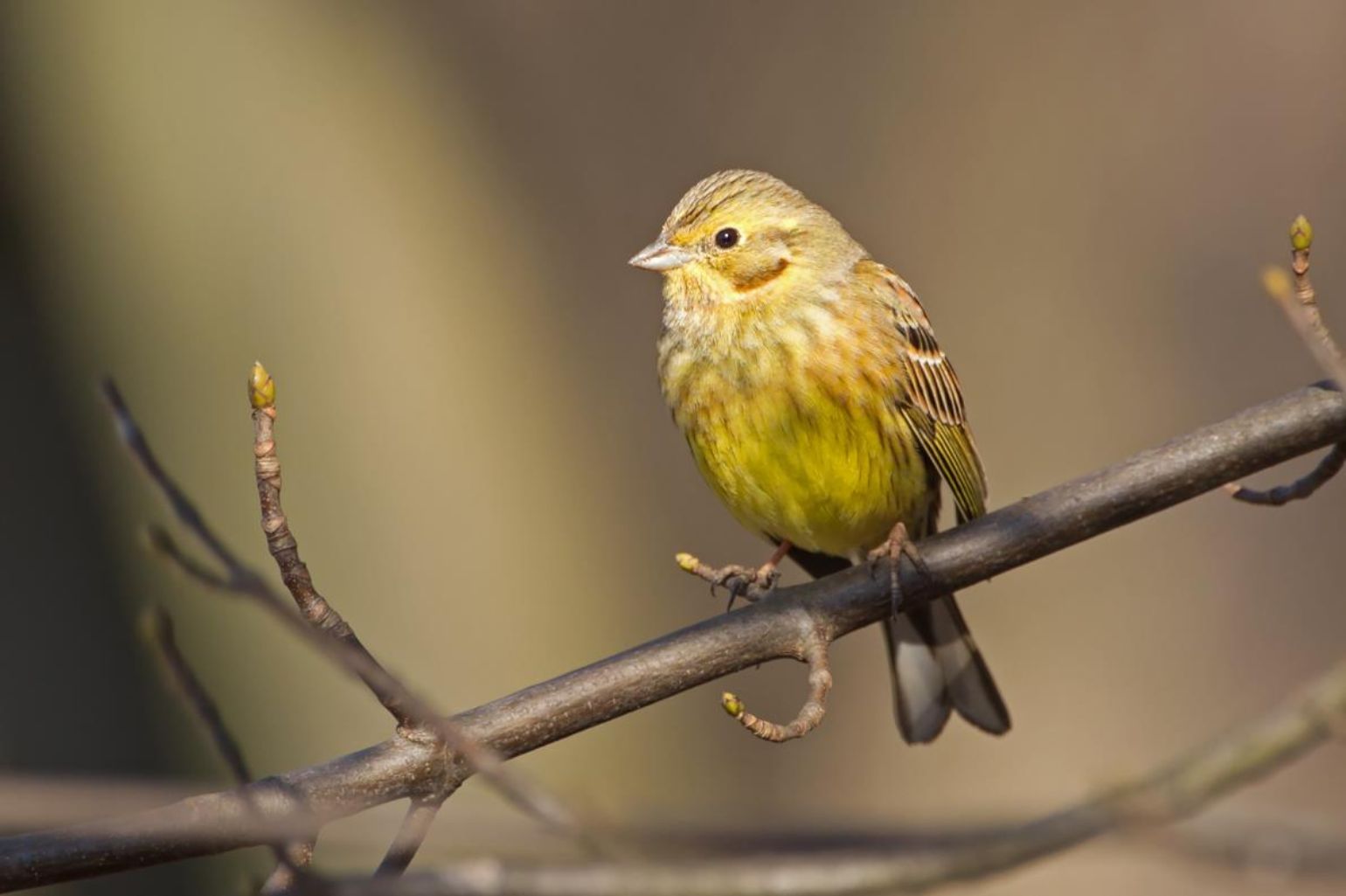
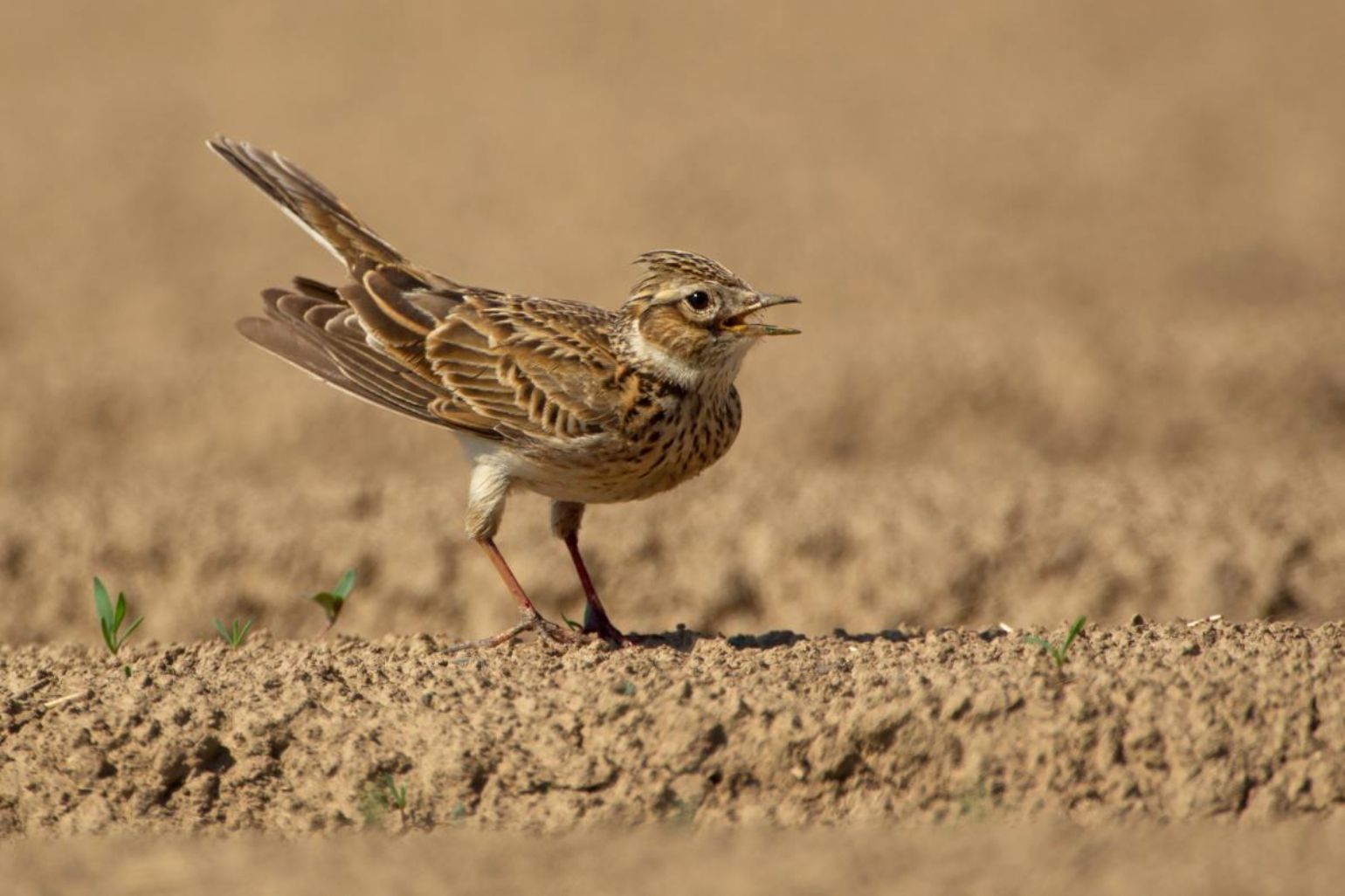
Planting a mix of plant species in field margins is the best way of providing a good range of wild bird food and cover throughout the seasons, but to take our understanding further, BASF started working with Limagrain UK (then Advanta Seeds) to better understand what bird species fed on which wild bird cover crops and when.
Seasonal drilling sequences have been undertaken since 2005 at Rawcliffe Bridge testing over 30 individual wild bird food crops. This work has been extended to The Grange since autumn 2008 to test performance in a different soil type.
The trials are extremely practical; it’s about looking at what food can be provided in the different seasons and then looking at the seed rates, drilling dates and the establishment of different wild bird food crops. They also include herbicide interaction trials to determine which herbicides could be used to help control the pernicious arable weeds which often out-compete wild bird and cover crops during the first season of establishment.
Crop structure is also investigated in the trials.
The results show some marked differences in the lifespan of individual plant species, an important consideration given the costs associated with establishing field margins and cover crops.
The aim is to have some feed and cover value from crops over the different seasons and then to add in some flowering species to encourage insects on which the birds can then feed. Then it’s about putting mixes together that attract the birds you want to encourage.
The work conducted allowed Limagrain to develop a mixture of vetch, triticale, Phacelia, fodder radish and linseed which can be sown in the autumn.
The species combination has compatible plant structure which doesn’t compete with itself, but most importantly, provides food for birds at different times of the year.
The benefit of sowing a mix in the autumn is that it gets established in better soil conditions in October and then when spring comes, which is when the breeding cycle for birds is starting; there is already an established habitat with flowers to encourage insects for feeding fledglings and to provide a very useful area to attract and encourage bees.