Which herbicides can be used to control bromes?
Use our product search tool to find your solution:
Weed profile of Sterile, or Barren Brome (Anisantha sterilis). Discover growth habits, herbicide resistance and impact in UK cereal production.
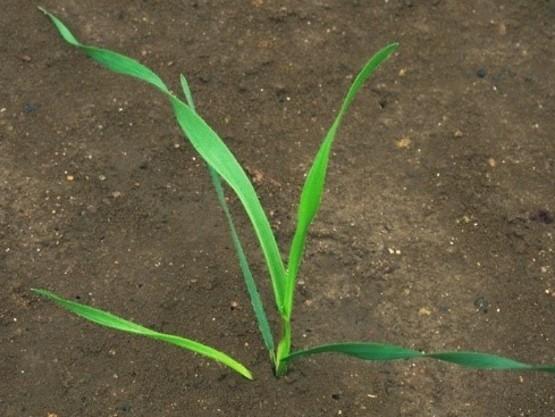
Sterile, or Barren brome is predominantly a problem in winter cereals. It robs crop yield and causes lodging where it’s left uncontrolled.
It is an annual grass 20-100 cm tall, upright until anthesis then disappearing below the crop as the weed matures.
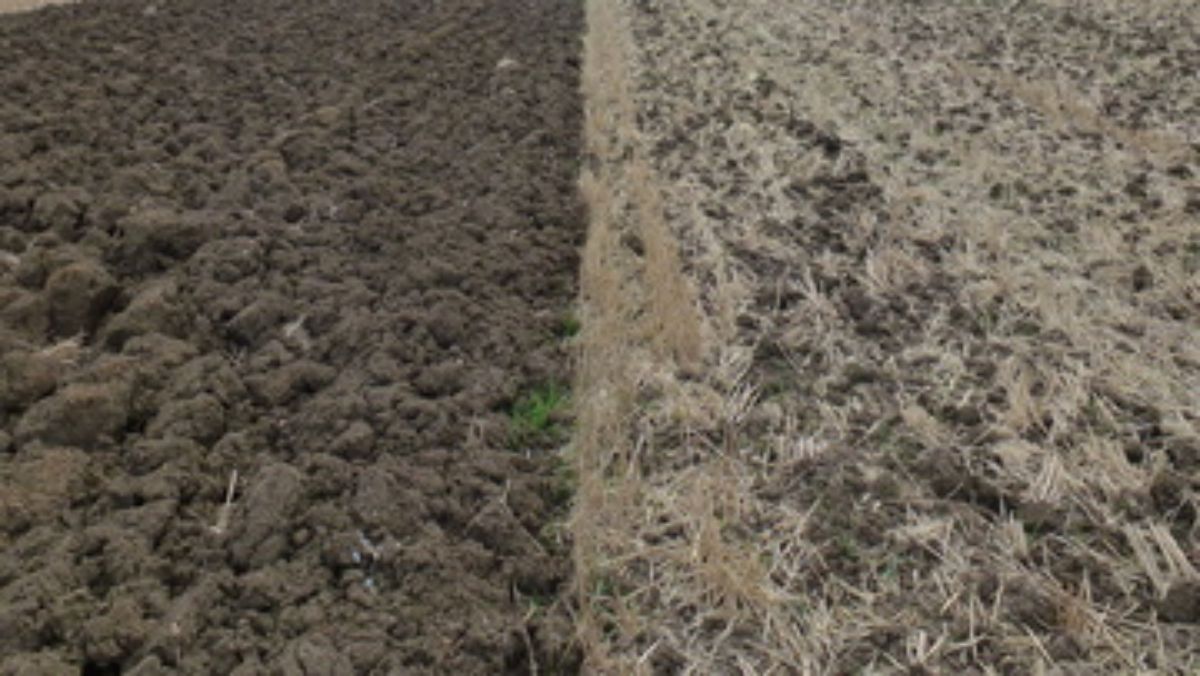
Sterile/Barren brome is becoming increasingly common in the UK due to shallow and no till cultivations.
| Leaves | Finely pointed, covered in short hairs |
| Auricles | None |
| Ligules | Blunt and serrated, up to 6mm |
| Seeds produced per plant | Up to 200 per plant |
| Seed shed | July to October |
| Germination period | August to October (98%) |
| Germination depth | Up to 5cm |
| Primary dormancy | Generally none, but varies between populations |
| Secondary dormancy | Leaving seed on the surface exposes them to light and dry conditions enforcing dormancy on a small proportion of seeds |
| Seed longevity | 1 - 2 years |
| Factor promoting germination | dark |
| Rate of decline with cultivations | 90% per year |
| Geographical location | Found throughout England, Wales and the arable areas of Scotland, up to altitudes of 350m Sterile/Barren brome’s natural habitat is field margins and headlands. |
| Soil Type | All soil types |
| Rotation | Population increase is favoured by cereal monoculture, early autumn cereal sowing, no-till cultivations and a lack of break crops. |
| Impact | Sterile/Barren brome is very competitive and 10 plants m² will cause a yield loss of 8% in winter cereals. Will also cause the crop to lodge at high populations. |
| Herbicide resistance | None known in UK (Suspected but not proven) |