Which herbicides can be used to control bromes?
Use our product search tool to find your solution:
Brassica napus ssp. Oleifera
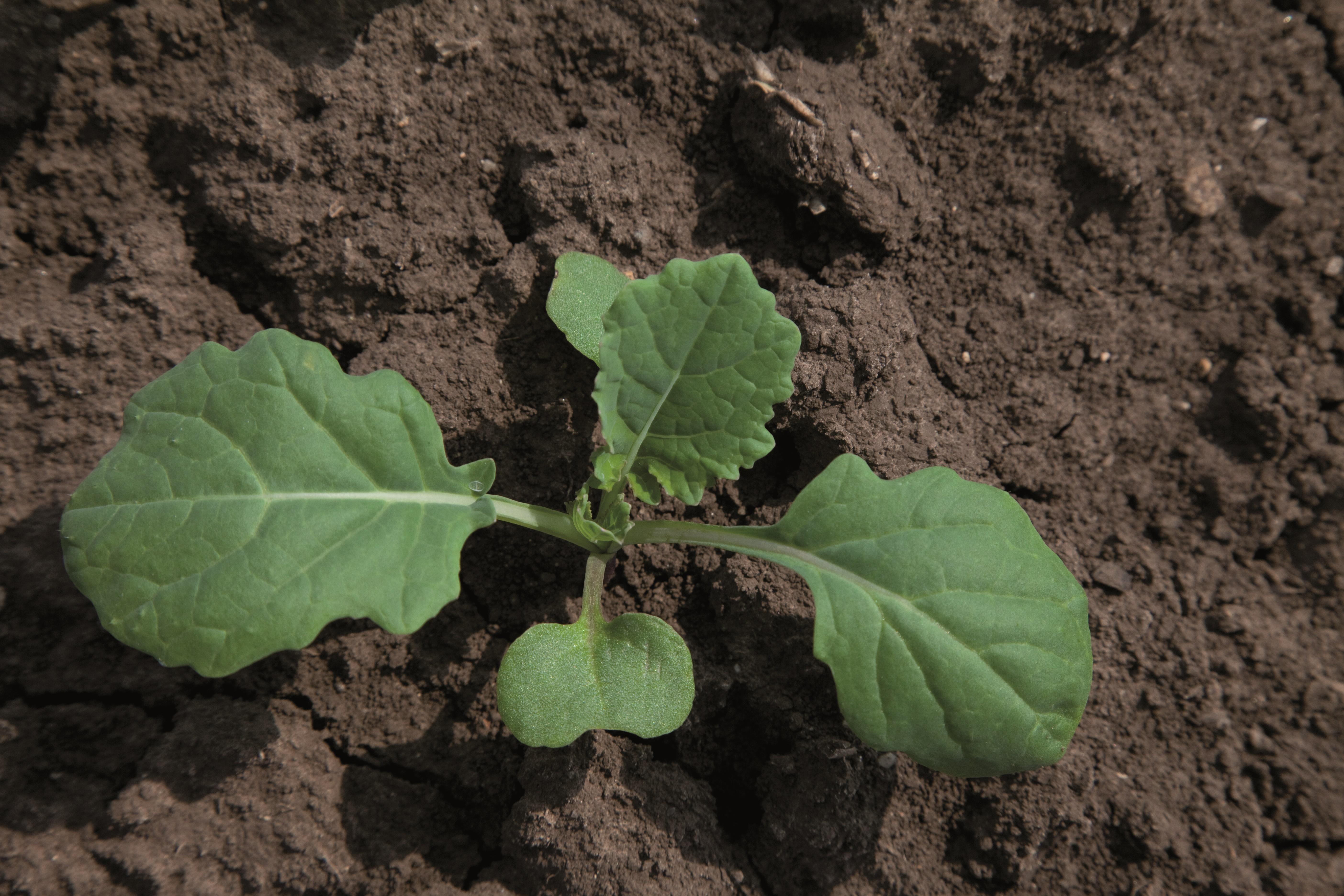
| Leaves and flowers | Leaves are hairless and have a waxy coating which sometimes give a blue green appearance to the plant. Oilseed rape can be in excess of one meter tall, branches grow out of the main stem with bright yellow flowers, later producing seed pods which contain small round black seeds. |
| Number of seeds produced per plant | 10,000 |
| Seed shed | July and August |
| Germination period | August to October, March to April |
| Germination depth | Up to 8cm |
| Primary dormancy | None |
| Does it have a secondary dormancy | Yes |
| Seed longevity | 9 years |
| Factor promoting germination | dark |
| Rate of seed decline with cultivations | 20% |
| Geographical location | Oilseed rape is grown as a crop in most of the arable areas of the UK |
| Soil type | Oilseed rape thrives on fertile soils which are disturbed frequently but will grow in most conditions. |
| Impact | At harvest of an oilseed rape crop an average of 5000 seeds/m² can be lost, this can vary between 2000 and 10,000 seeds/m² depending on a range of factors. A single volunteer oilseed rape (OSR) plant m² can result in a yield loss of 0.74 to 1.61% in wheat. |
| Herbicide resistance | Tolerance to Imazamox in Clearfield varieties |